
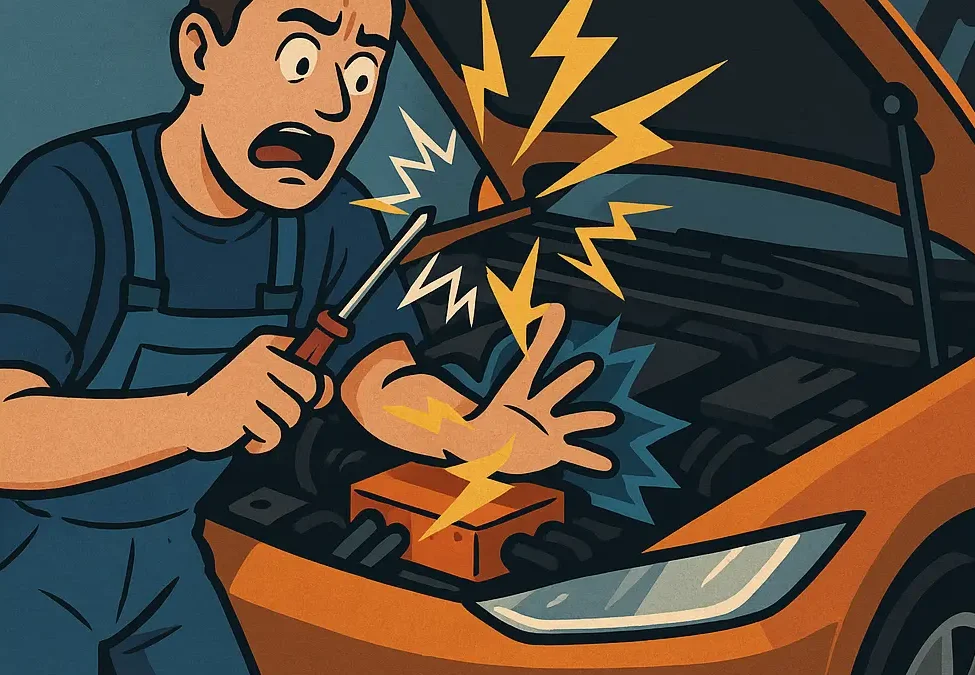
If your electric or hybrid vehicle has been in a collision, EV battery safety should be your first concern. High-voltage battery systems require special safety checks and trained repair teams. In this guide, we’ll answer the most common consumer questions about battery safety after a crash, inspections, and repairs.
1️⃣ Safety Concerns After a Crash
Is it safe to drive an electric car after an accident?
No, you should not drive your EV after a crash until a trained technician inspects it. Modern EVs can shut down their batteries automatically after a serious crash. However, there could still be hidden damage that is dangerous (NHTSA). Always park your car in a safe area and have it towed to a qualified repair center for a full check.
Can a damaged EV battery catch fire after an accident?
Yes, although it is rare. A damaged lithium-ion battery can overheat and catch fire right away or even hours later. Studies show gasoline cars catch fire more often than EVs (Kelley Blue Book, Electrek). For example, gas-powered vehicles have far more fires than battery-powered ones. Still, battery safety after a crash is very important because EV battery fires burn hotter and are harder to put out (Repairer Driven News). Always take any signs of battery damage seriously.
Is there a risk of electric shock from a damaged EV after a crash?
There is a risk if you touch exposed wires or battery parts. However, most EVs automatically shut off high-voltage power after a crash using pyrofuse systems (WIRED). High-voltage parts are also insulated to help protect people. The best way to maintain battery safety after a crash is to stay away from orange cables or leaking fluids. Wait for emergency teams to secure the vehicle before going near
Are there special fire risks with lithium-ion batteries after a collision?
Yes. Lithium-ion batteries can reignite more than once after damage and produce toxic smoke (Repairer Driven News). Because of this, fire departments may isolate a burning EV instead of trying to put it out right away. For example, a battery fire in Ojai forced evacuations while firefighters let it burn in a controlled area (Los Angeles Times).
In short, understanding battery safety after a crash means knowing these fires act differently than gasoline fires. If you see smoke, smell chemicals, or hear popping sounds, move away and call 911.
2️⃣ Battery Condition & Diagnosis
What happens to a hybrid or EV battery in a crash?
The battery is often protected by a strong case and its location under the floor. However, in a severe crash, it can still be dented, punctured, or short-circuited. Most EVs will disconnect the battery to protect you (NHTSA). Still, to maintain battery safety after a crash, you should always have a qualified shop inspect it after a collision.
How do I know if my electric vehicle battery is damaged after a crash?
You may see warning lights, smoke, or smell chemicals. You might also hear strange noises. On the other hand, some damage is hidden. Only a certified shop with the right scan to/collision-repair/ols can confirm if the battery is safe. Checking these systems is an important part of battery safety after a crash (I-CAR Collision Repair News).
Do I need to replace my EV battery after a collision?
Not always. Minor accidents may leave the battery unharmed. However, if there are cracks, leaks, or electrical faults, replacement is usually the only safe choice (Reuters). Sometimes insurers total a vehicle if battery replacement costs are too high. Knowing these steps helps you plan for battery safety after a crash.
Can you repair a damaged hybrid battery pack, or does it have to be replaced?
For older hybrids with nickel-metal hydride batteries, technicians may replace weak cells. However, for lithium-ion packs, damage after a crash usually means replacing the entire unit (Repairer Driven News). This supports long-term battery safety after a crash. Repairs on high-voltage batteries must always follow strict safety rules.
How long does it take to check an EV battery after a collision?
A basic check may take a few hours. If there are concerns, it can take days. Shops scan for fault codes, inspect for leaks, and sometimes monitor the battery for 24–48 hours to confirm there is no fire risk (GMG EnviroSafe). These steps protect battery safety after a crash and give you peace of mind.
3️⃣ Collision Repair & Body Shop Procedures

Do body shops inspect high-voltage batteries after a crash?
Yes. Certified shops check for leaks, cracks, warning lights, and damage. Furthermore, they do not start repairs until they confirm the battery is safe (I-CAR Collision Repair News). This inspection supports battery safety after a crash and protects their team.
What does an auto body shop do to make sure an EV is safe after a collision?
-
First, they disconnect 12-volt and high-voltage systems
-
Additionally, they use insulated tools and protective gear (GMG EnviroSafe)
-
They scan for battery and safety faults
-
Moreover, they inspect for leaks and physical damage
-
They follow the vehicle maker’s guidelines (ASE)
-
Finally, they test the system after repairs
All these steps help maintain battery safety after a crash and ensure your vehicle is safe to drive again.
Who can repair an electric car after an accident?
Only qualified, certified collision repair shops should handle an EV. These shops have special training and tools (ASE). For instance, in Ventura County, Premier Coach Auto Collision is certified for many manufacturers, including Tesla and Lexus, and has experience handling high-voltage battery systems. Consequently, their expertise is vital to protect battery safety after a crash.
What certifications should a collision repair shop have to handle EV batteries?
-
I-CAR Gold Class
-
ASE L3 EV/Hybrid Technician
-
Manufacturer certifications for your specific brand
In summary, these credentials ensure the shop understands battery safety after a crash and can complete repairs to factory standards.
How do body shops disconnect or de-energize EV batteries?
To protect technicians and ensure safe repairs, certified body shops follow this structured process:
- First, they shut off the ignition and remove the key.
→ This step prevents any accidental restart of the vehicle. - Next, they disconnect the 12-volt battery.
→ Isolating the low-voltage system helps prevent unexpected electrical signals. - Then, they pull the high-voltage service plug or remove the fuse.
→ This action safely cuts power from the high-voltage system. - Afterward, they wait for residual energy to drain.
→ High-voltage systems can store energy even after disconnection, so this pause reduces shock risk. - Once drained, they confirm zero voltage using a digital meter.
→ Tools like the GMG EnviroSafe system verify that the system is fully de-energized. - Finally, they lock out the system before beginning repairs.
→ This ensures no one can accidentally re-energize the high-voltage system during service.
These steps protect technicians working on your EV. They also help maintain the safety and performance of your vehicle’s battery after a crash.
4️⃣ Insurance & Claims

What should I tell my insurance company about an EV battery after a crash?
-
Tell them your car is electric or hybrid
-
Additionally, describe any warning lights, smells, smoke, or shutdowns
-
Ask for a qualified EV-certified repair shop
-
Save all inspection and test reports
-
Confirm factory-approved parts will be used
-
Furthermore, ask your adjuster to involve an EV specialist if needed
These details help your insurance company support battery safety after a crash and approve safe repairs. In California, insurance usually covers battery replacement if a collision damages it, minus your deductible.
Stay Informed and Stay Safe
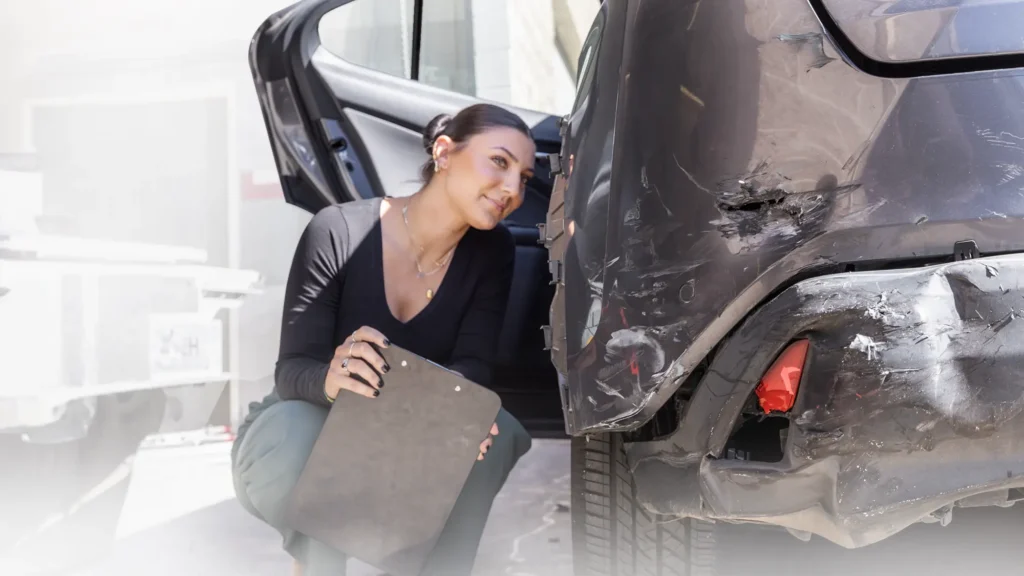
As more drivers choose electric and hybrid vehicles, understanding how to handle battery safety after a crash is critical. These advanced vehicles come with specialized risks — but also include engineered safeguards to protect you and first responders.
After an accident, never assume your EV or hybrid is safe to drive until it has been fully inspected by qualified professionals. Battery damage can be hidden, and even small issues could lead to fires or shock hazards if left unchecked. Always trust certified collision repair shops with the proper EV training, manufacturer approvals, and tools to perform thorough evaluations and repairs.
 Premier Coach Auto Collision proudly serves EV and hybrid owners throughout Ventura County and Southern California. Their team follows factory-certified repair methods for Tesla, Lexus, and many other brands. In addition, they have the advanced equipment, technician training, and manufacturer approvals to safely inspect and repair your vehicle’s battery system after a crash.
If you are concerned about your battery, or if you want help working with your insurance company after a collision, Premier Coach Auto Collision can guide you through every step of battery safety after a crash.