
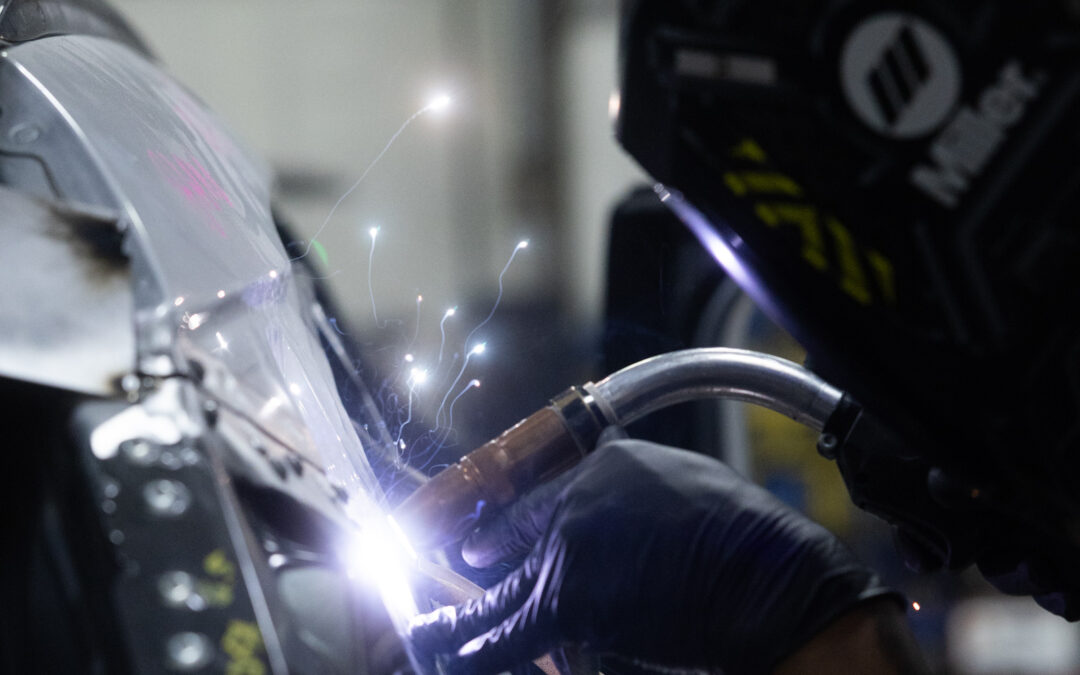
In 2026, supply chain challenges continue to influence automotive parts availability, repair timelines, and costs across the collision repair industry. These conditions make OEM certified collision repair more important than ever, especially as modern vehicles rely on advanced materials, integrated electronics, and complex safety systems.
Industry analysts confirm that today’s supply chain conditions reflect long-term structural changes rather than short-term disruptions.
Despite these challenges, the requirements for OEM certified collision repair remain unchanged. Manufacturer-approved procedures and OEM parts for certified repairs only continue to define safe, accurate, and compliant repairs.
What Is OEM Certified Collision Repair?
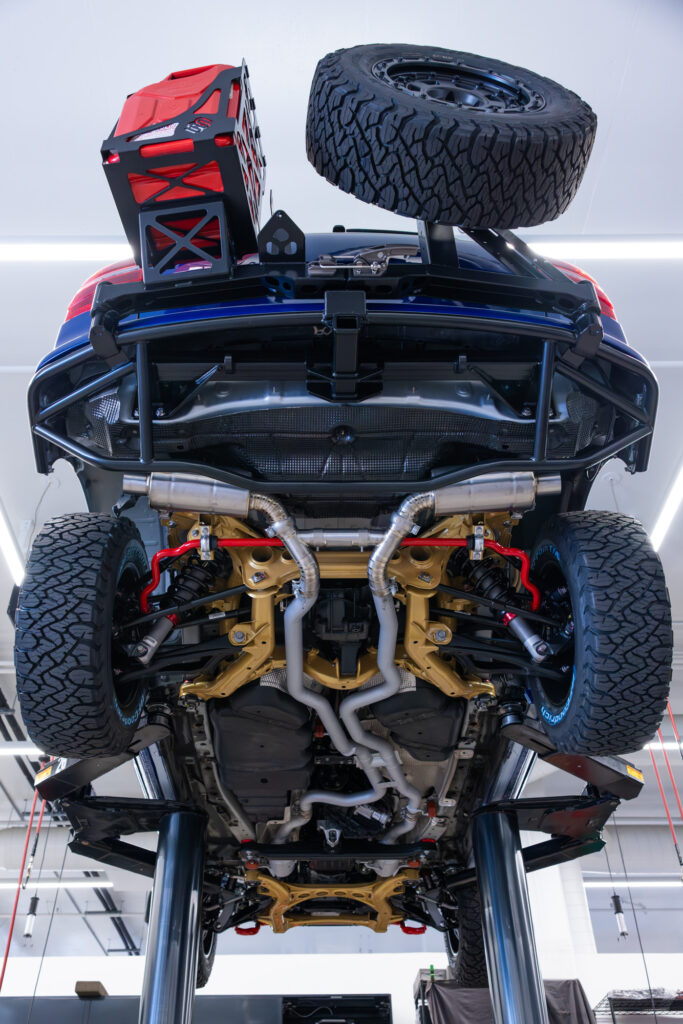 OEM certified collision repair follows manufacturer-approved repair procedures that restore vehicles to factory standards. In practice, automakers design these certification programs to protect vehicle safety, performance, and structural integrity after a collision.
To meet these standards, certified repairs require:
-
Manufacturer-documented repair procedures, which guide every step of the process
-
OEM-trained and certified technicians, ensuring repairs follow brand-specific requirements
-
OEM-approved tools and equipment, designed to support accurate repairs
-
OEM parts for certified repairs only, as required by certification programs
As a result, this process restores the vehicle correctly rather than approximating the repair.
Why Supply Chain Challenges Persist in 2026
Automotive supply chains in 2026 continue to adjust to long-term industry changes. As a result, manufacturers and suppliers now prioritize resilience, regional production strategies, and risk management over speed alone.
According to S&P Global, automotive suppliers actively realign production and sourcing strategies to address ongoing volatility and geopolitical pressures.
Similarly, Just Auto notes that OEMs and Tier 1 suppliers continue to treat supply chain stability as a top strategic priority, particularly for electronics, ADAS components, and structural parts.
Despite these shifts, these conditions affect both OEM and aftermarket parts availability; however, they do not change certified repair requirements.
Do Supply Chain Delays Change Certified Repair Standards?
No. Supply chain delays may influence repair timelines; however, they do not alter manufacturer repair standards.
For OEM certified collision repair, repair teams avoid substituting aftermarket parts simply to accelerate the process. Instead, technicians follow manufacturer-approved procedures without exception, and repairs move forward once the correct OEM parts arrive.
At the same time, industry forecasts indicate that automotive suppliers face sustained competitive pressure in 2026. Because of this, disciplined repair standards remain essential, reinforcing the importance of accuracy and compliance rather than shortcuts.
OEM vs Aftermarket Parts in Certified Collision Repair
Why Do OEM Parts Matter for OEM Certified Collision Repair?
OEM parts meet exact manufacturer specifications for fit, material strength, and system integration. Automakers design and validate these parts to work seamlessly with the vehicle’s structure and safety systems.
As a result, OEM parts:
-
Match factory tolerances
-
Support accurate ADAS and safety system calibration
-
Maintain structural integrity
-
Align with manufacturer repair documentation
Because of these requirements, aftermarket parts do not meet manufacturer certification standards and therefore do not qualify for OEM certified collision repair.
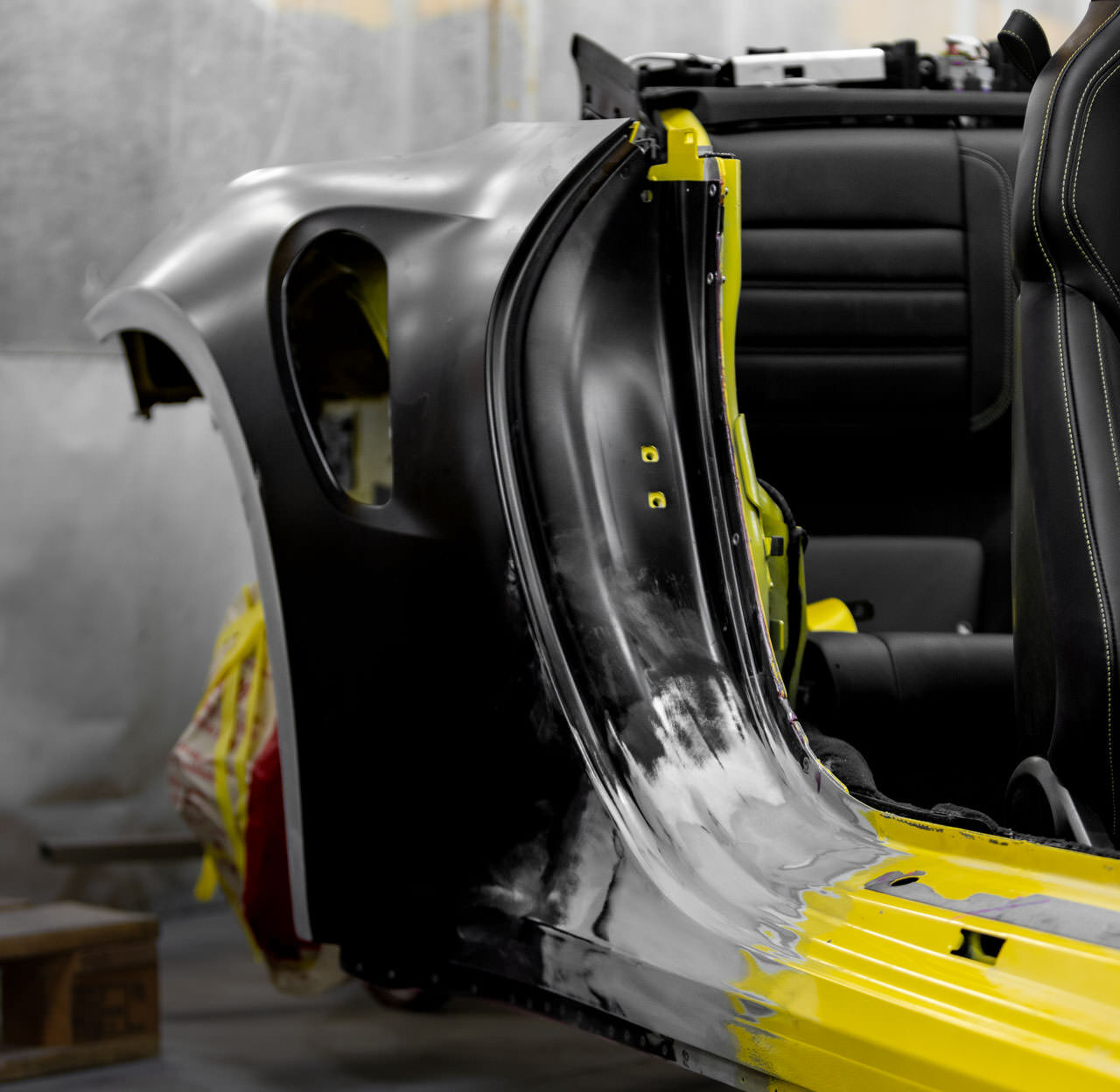
Are Aftermarket Parts Ever Acceptable?
Yes. In certain situations, repair facilities may use aftermarket parts, particularly for:
-
Non-certified repairs
-
Cosmetic or non-structural damage
-
Repairs that do not involve safety systems or ADAS components
However, when a repair requires OEM certification, aftermarket parts do not meet certification requirements and are not appropriate for the repair.
How OEM Certified Collision Repair Protects Safety Systems
Modern vehicles rely on tightly integrated safety and driver-assistance systems. OEM certified collision repair supports proper system operation by maintaining factory design and alignment.
OEM parts help ensure:
-
Correct sensor placement
-
Accurate post-repair calibration
-
Reliable system communication
-
Consistent real-world performance
Using OEM parts for certified repairs reduces the risk of future system issues caused by improper fit or alignment.
Does OEM Certified Collision Repair Help Preserve Vehicle Value?
Yes. OEM certified collision repair helps protect long-term vehicle value by maintaining factory repair integrity and proper documentation.
Through OEM-compliant repairs, repair facilities:
-
Support accurate future diagnostics
-
Reduce resale and trade-in concerns
-
Provide greater confidence for buyers and insurers
At the same time, the global automotive repair and maintenance market continues to grow, which further increases the importance of standardized, manufacturer-approved repairs.
Why OEM Certified Collision Repair Matters More in 2026
As vehicles continue to grow more complex and supply chains remain unpredictable, certified repair standards matter more than ever. In this environment, OEM certified collision repair plays a critical role by prioritizing safety over speed, maintaining manufacturer compliance, and reducing long-term repair risk. As a result, this approach helps protect overall vehicle performance and long-term value.
Rather than encouraging shortcuts, today’s supply chain challenges reinforce the importance of following correct repair procedures every time.
Why Guests Choose Premier Coach Auto Collision
Why Guests Choose Premier Coach Auto Collision
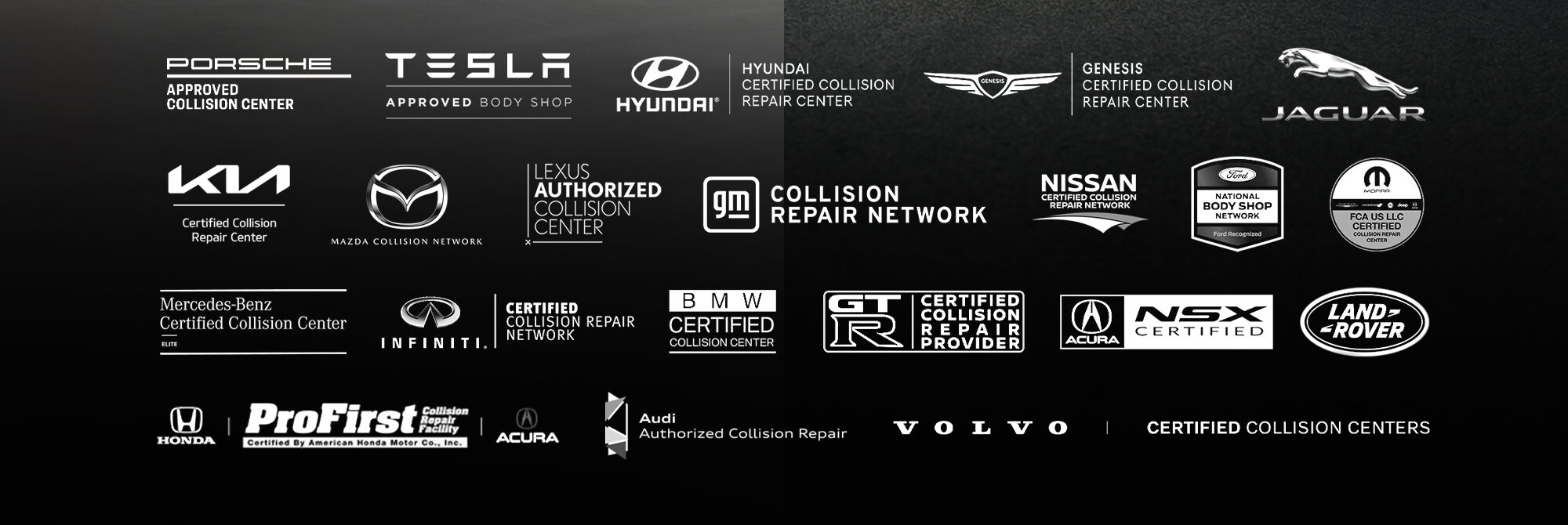
Guests choose Premier Coach Auto Collision because of our commitment to manufacturer-approved repair procedures and consistent repair standards. In addition, our team holds 28 OEM certifications and uses OEM parts for certified repairs only, ensuring every qualifying repair meets factory requirements for brands such as Tesla, BMW, Mercedes-Benz, Lexus, Porsche, Audi, and other leading manufacturers.
Throughout the repair process, clear communication remains a priority, so guests always understand what to expect. Even when supply chain conditions require patience, our standards never change. With two convenient locations, we repair vehicles correctly, follow documented manufacturer procedures, and avoid shortcuts—every time.
While industry supply chains continue to evolve, Premier Coach Auto Collision maintains consistent repair standards and clear communication throughout every certified repair.
Conclusion
Supply chain challenges in 2026 may influence repair timelines, but they do not change the fundamentals of proper collision repair.
For vehicles that require manufacturer-approved repairs, OEM-certified collision repair remains essential. OEM parts help protect advanced safety systems, preserve vehicle value, and ensure repairs meet factory standards.
 With two locations in Thousand Oaks and Camarillo, Premier Coach Auto Collision serves drivers across Ventura County, including surrounding cities such as Westlake Village, Simi Valley, Newbury Park, Oxnard, and Ventura.
Repair requirements and OEM certification standards vary by vehicle manufacturer, model, and repair type. OEM certification applies to qualifying repairs only.