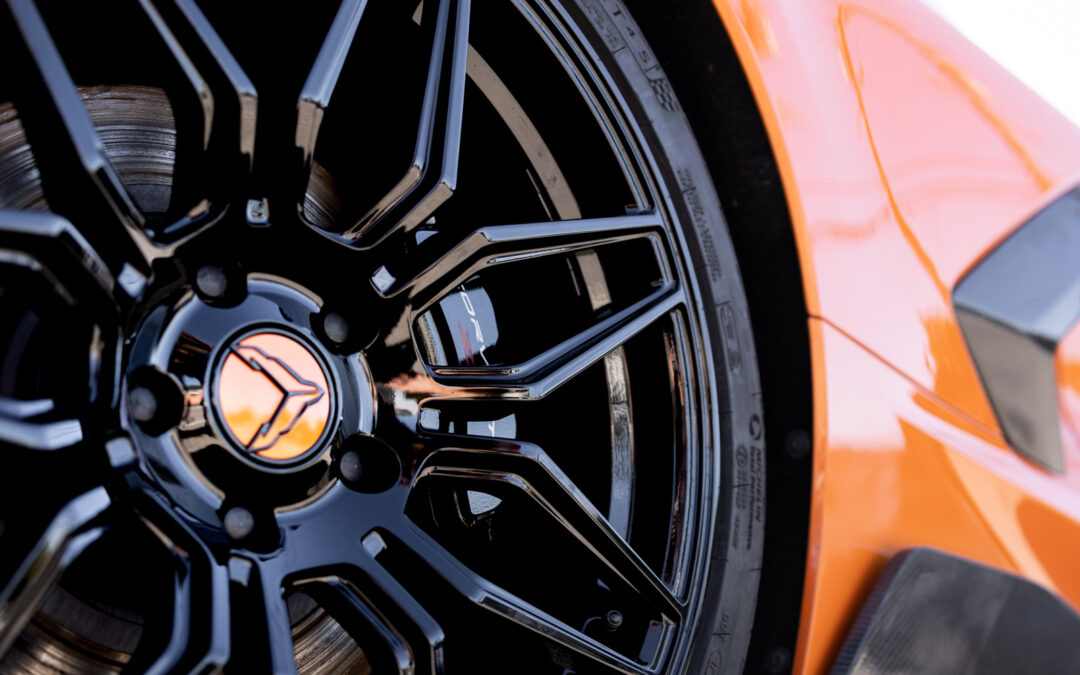
Vehicle design continues to change. As a result, Carbon Fiber Collision Repair has become more important for modern vehicles.
Automakers use carbon fiber and other lightweight materials to improve safety, fuel efficiency, and performance. At the same time, these materials change how collision repair and auto body repair must be performed after an accident.
Automotive research shows that lightweight composite materials now play a major role in vehicle design. Manufacturers balance strength, crash protection, and reduced weight when building today’s vehicles.
Because carbon fiber reacts differently than steel, repair facilities must use the right tools, trained technicians, and manufacturer-approved repair procedures.
Why Automakers Use Carbon Fiber and Lightweight Materials
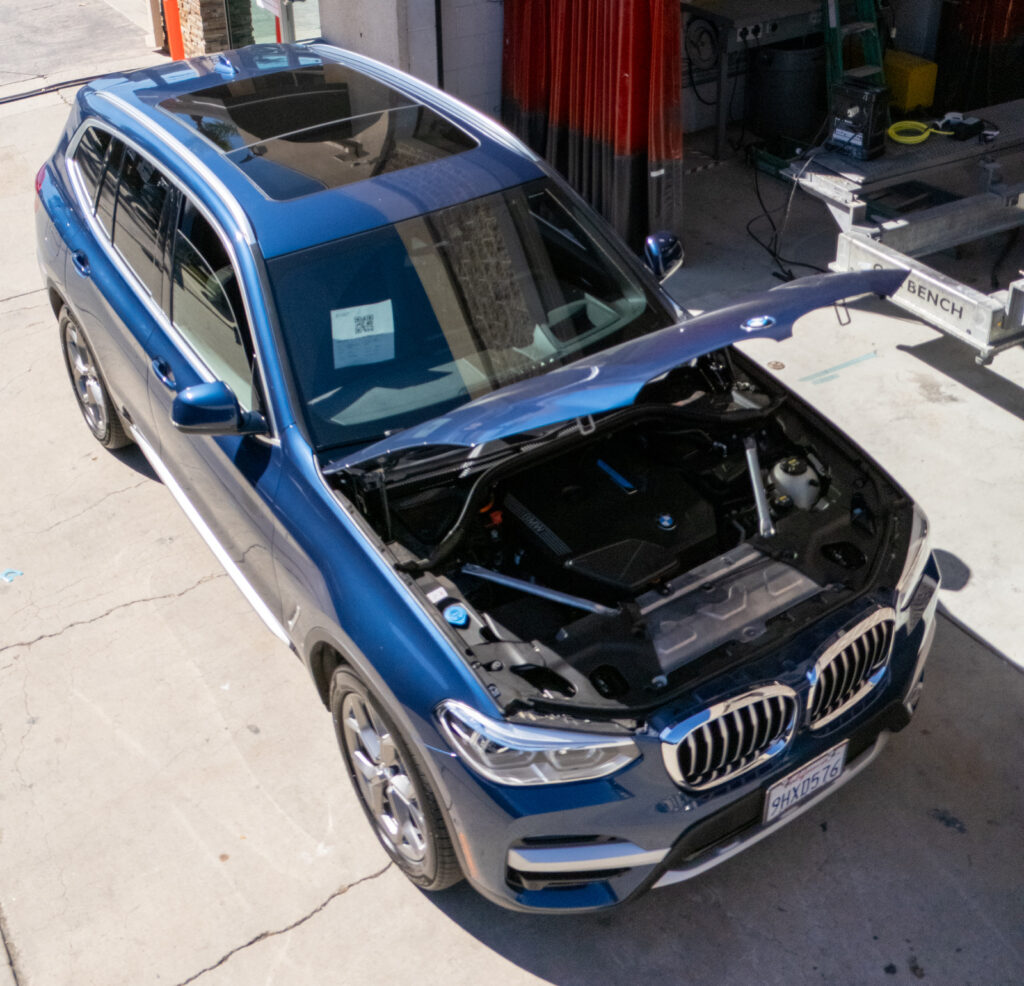
Automakers face stricter safety and efficiency standards each year. For this reason, they rely more on carbon fiber and aluminum across many vehicle platforms.
Carbon fiber provides high strength with less weight. As a result, manufacturers can reduce overall vehicle weight while maintaining structural stability.
Source:
In addition, these materials help manufacturers:
-
Lower vehicle weight
-
Improve energy absorption during impacts
-
Maintain strong structural design
-
Support modern vehicle performance goals
However, when damage occurs, repairs must follow more precise steps.
How Carbon Fiber Behaves During a Collision
Carbon fiber behaves differently than steel or aluminum during a collision. Instead of bending, it often cracks or separates internally.
Because of this behavior, damage does not always appear on the surface. In many cases, a panel may look intact while internal layers have damage.
Research confirms that hidden damage commonly occurs in carbon fiber components, even after lower-speed collisions.
For this reason, manufacturers often require panel replacement instead of reshaping. Repair decisions depend on inspection results and manufacturer repair guidelines.
Because of these differences, Carbon Fiber Collision Repair follows manufacturer-specific inspection, repair, and replacement guidelines.
Why Proper Inspection Matters

Visible damage rarely tells the full story with carbon fiber. Instead, impacts often create internal damage that only appears after closer inspection.
Because of this, thorough inspection helps repair teams:
-
Identify all affected components
-
Follow manufacturer-approved procedures
-
Restore structural strength correctly
When teams skip inspection steps, long-term safety and performance can suffer. Therefore, careful inspection remains essential in modern collision repair.
Aluminum Repair Requires a Different Approach
In addition to carbon fiber, aluminum appears in many modern vehicles. Aluminum offers strength and low weight, yet it responds differently than steel.
Heat affects aluminum faster. Stress also changes how aluminum reacts after impact. Because of this, technicians must follow specific repair requirements.
For that reason, manufacturers often require:
-
Separate aluminum repair areas
-
Specialized tools to prevent contamination
-
Controlled repair environments
-
Manufacturer-approved repair procedures
When technicians follow these steps, aluminum repairs restore strength and performance correctly.
Why Specialized Equipment Matters
Modern vehicle materials require tools designed for their specific properties. As vehicle construction evolves, repair facilities must invest in proper equipment.
This equipment often includes:
-
Approved welding systems
-
Bonding and panel repair tools
-
Precision measuring equipment
-
Clean, controlled workspaces
As newer vehicles continue to use advanced materials, accurate tools and clean environments become even more important.
The Role of OEM Certified Collision Repair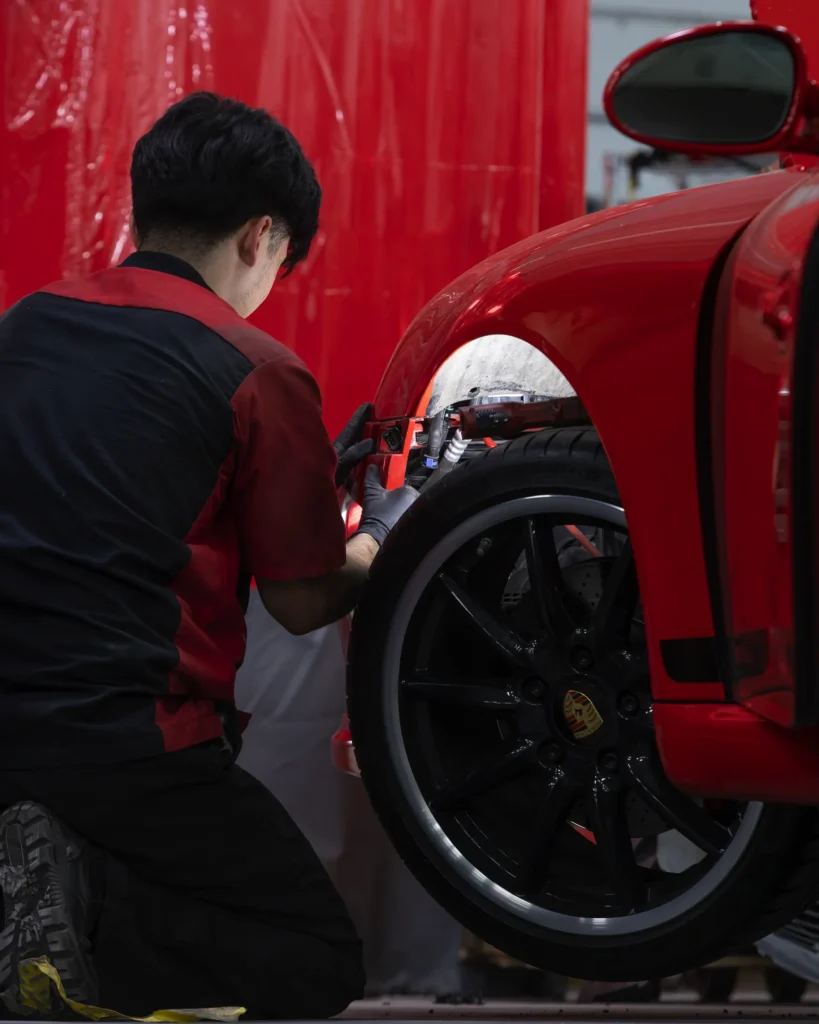
As lightweight materials become more common, OEM certified collision repair plays a larger role in proper repairs.
Certification programs confirm that a repair facility meets manufacturer standards for:
-
Technician training
-
Tools and equipment
-
Repair procedures
-
Documentation and quality checks
Because of this structure, OEM certified collision repair:
-
Follows manufacturer-documented repair procedures
-
Uses new, genuine OEM parts specified or approved by the manufacturer for certified repairs
-
Maintains factory repair documentation
Together, these requirements help ensure accurate and reliable repairs.
How Lightweight Materials Affect Repair Timelines
Repairs involving carbon fiber and aluminum often include extra inspection and validation steps. As a result, repair timelines may vary.
Several factors influence timing:
-
Additional inspection requirements
-
Manufacturer documentation standards
-
Technician availability
-
OEM part sourcing
Even so, repair standards remain consistent. Accuracy and safety always guide the repair process.
What This Means for Certified Repair Facilities
As vehicle design continues to evolve, certified repair facilities must adapt. Lightweight materials require updated equipment, ongoing training, and strict repair standards.
How Premier Coach Auto Collision Adapts
As manufacturers increase the use of advanced materials, Premier Coach Auto Collision adjusts its repair processes to meet current OEM-certified requirements. This includes certified repair standards for brands such as BMW, Tesla, Porsche, Mercedes-Benz, Audi, Land Rover, and Lexus.
To support these repairs, Premier Coach maintains approved equipment, controlled repair environments, and brand-specific technician certification. In addition, repair workflows follow manufacturer guidelines for inspection, repair, or replacement.
Even as materials and repair methods continue to change, Premier Coach consistently uses OEM parts for certified repairs only and follows manufacturer-approved procedures.
Repair requirements and OEM certification standards vary by vehicle manufacturer, model, and repair type. Not all repairs qualify for OEM certification
Modern collisions often affect more than visible panels. Therefore, repair facilities must offer services that align with today’s vehicle construction.

At Premier Coach Auto Collision, services include:
Together, these services address both visible and hidden damage while supporting proper repair standards.
While modern materials add complexity, manufacturer-certified collision repair remains a proven and reliable process. When repair teams follow proper procedures, vehicles return to the road safely and confidently.
Conclusion
Carbon fiber and other lightweight materials continue to shape vehicle design. At the same time, they raise the standard for proper collision repair.
Because of these changes, accurate inspection, proper tools, and manufacturer-approved procedures matter more than ever. When repair teams follow these standards, modern collision repair remains safe, effective, and dependable.
Ready to Get Started?
If your vehicle has been involved in an accident, choosing the right repair facility matters—especially as vehicle materials and repair standards continue to evolve.
At Premier Coach Auto Collision, our team proudly serves drivers throughout Ventura County and Santa Barbara County, including Thousand Oaks, Camarillo, and Westlake Village.
We provide collision repair, auto body repair, and dent removal & scratch repair using manufacturer-approved procedures and consistent repair standards. In addition, our team takes the time to inspect damage properly and explain each step of the repair process clearly.
Whether the damage is minor or more involved, our team is ready to help you move forward with confidence.
Contact Premier Coach Auto Collision today to schedule an estimate and get started.