
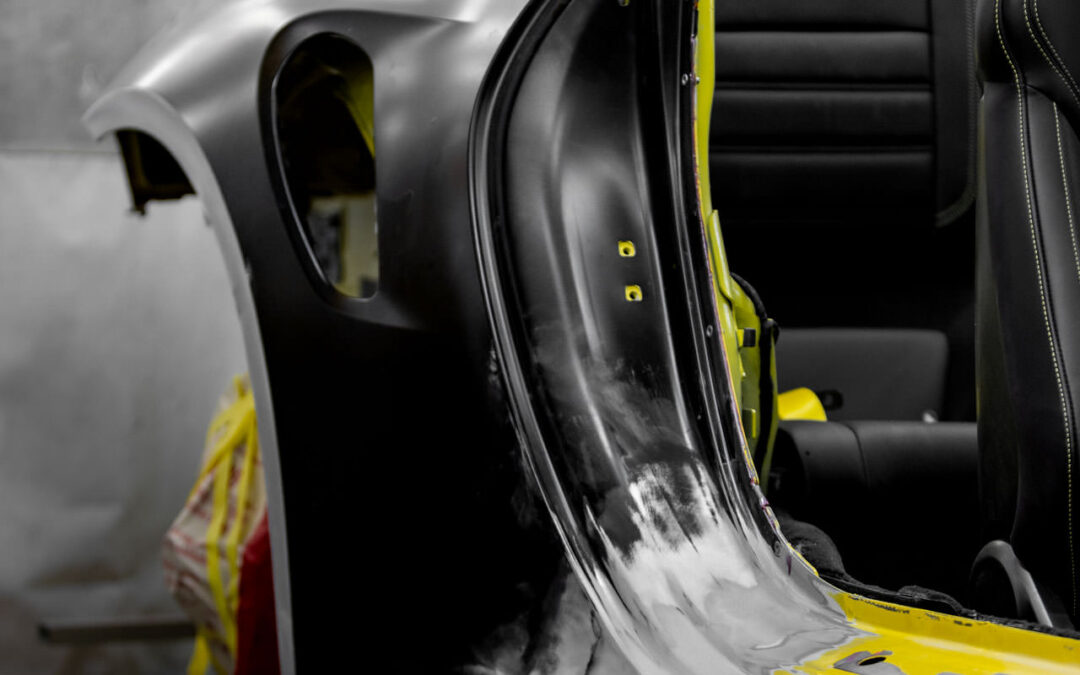
The Rise of Aluminum and Carbon Fiber in Vehicles
Modern vehicles evolve rapidly—driven by relentless innovation in automotive technology. Manufacturers now use lightweight, high-strength materials like carbon fiber and aluminum to boost performance, improve fuel efficiency, and meet stringent safety standards. These advanced materials are no longer rare—they have become standard in luxury cars, electric vehicles (EVs), and high-performance sports cars.
However, innovation introduces complexity. When these vehicles sustain collision damage, technicians can no longer rely on traditional repair methods. To preserve structural integrity, protect critical safety systems, and follow OEM specifications, shops must rely on certified specialists trained specifically to handle aluminum and carbon fiber repairs.
In fact, government mandates such as U.S. fuel economy standards have accelerated this shift toward lightweight vehicle design, resulting in a surge in the use of aluminum body panels and carbon fiber components across major automakers (Repairer Driven News, 2015).
Quick Answer: Why Carbon Fiber and Aluminum Auto Body Repairs Require Certified Specialists
Carbon fiber and aluminum repairs require certified specialists because these materials need OEM-approved tools, training, and repair methods. Unlike steel, they respond differently to damage. As a result, improper repairs can compromise safety systems, reduce structural integrity, and void manufacturer warranties. Certified technicians ensure accurate, safe, and factory-compliant repairs.
Why Lightweight Materials Are Taking Over
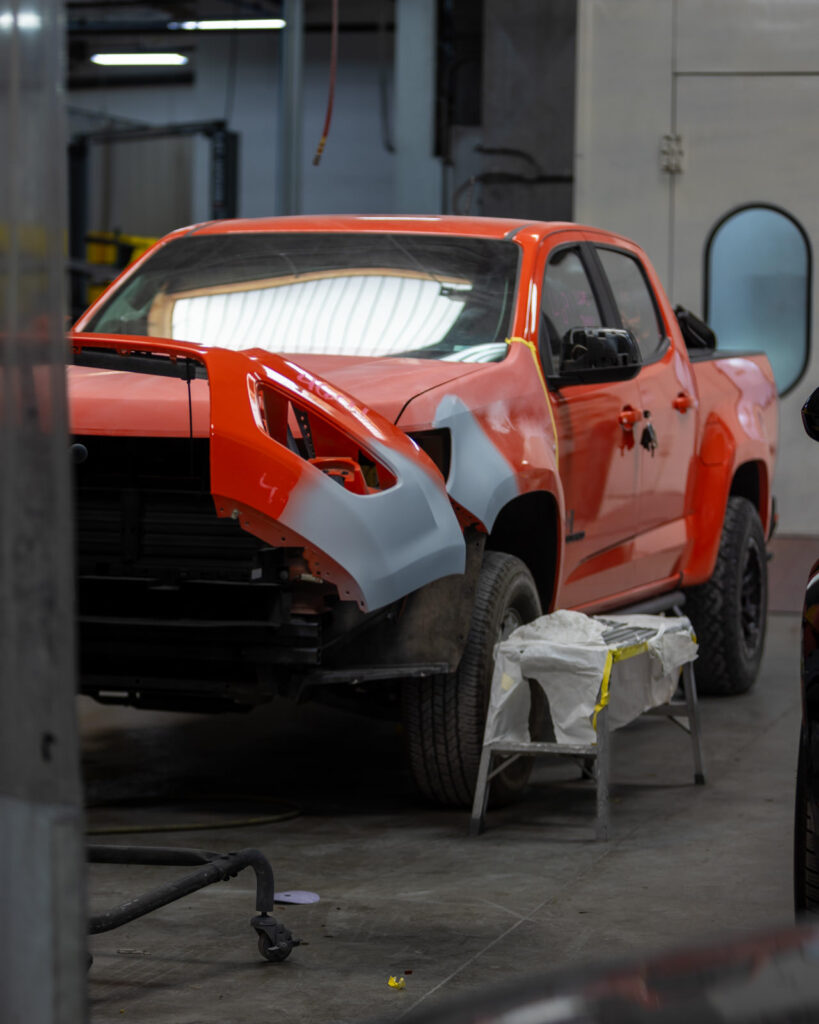
Automakers now use aluminum and carbon fiber to reduce weight without sacrificing strength. These materials help:
-
Improve fuel economy
-
Meet EPA emissions targets
-
Enhance vehicle performance
By reducing weight, manufacturers align more easily with EPA goals for lower CO₂ emissions.
Aluminum is leading the charge:
-
Nearly 50% of 2015 vehicles had aluminum hoods
-
That figure is projected to rise to 85% by 2025
(Repairer Driven News)
A turning point was the 2015 Ford F-150, the first full-size pickup with an all-aluminum body. Its success pushed other brands to follow.
A 2014 Ducker Worldwide study projected that:
- 75% of North American pickups would use aluminum by 2025
(WardsAuto)
More Than Just Trucks
This trend now includes:
-
Luxury sedans
-
SUVs
-
High-performance sports cars
Aluminum is used for:
-
Doors
-
Fenders
-
Structural reinforcements
Carbon fiber, while more expensive, is gaining ground—especially in EVs and supercars.
Examples include:
-
Audi R8 and Lamborghini Huracán: Carbon-fiber modules combined with aluminum frames
(Repairer Driven News) -
BMW i3 and i8: Carbon-fiber-reinforced plastic passenger cells
-
2019 GMC Sierra: Carbon-fiber bed reduced weight by 60 pounds
(GMC.com)
Jaguar Land Rover’s Project Tucana aims to:
-
Replace aluminum and steel with carbon fiber composites
-
Cut 76+ pounds per vehicle
-
Improve body stiffness and crash safety by 30%
(Repairer Driven News)
What Makes Carbon Fiber and Aluminum Different from Steel?
To understand repair complexity, it is important to look at how each material behaves.
Aluminum is lightweight and corrosion-resistant. However, it tears more easily and requires specialized tools and bonding methods.
Carbon fiber, on the other hand, offers exceptional strength with minimal weight. However, it does not bend—it splinters on impact and cannot be reshaped.
As a result, both materials require certified repair procedures that differ significantly from traditional steel repairs.
What Makes Carbon Fiber Car Repair So Difficult?
Carbon fiber does not behave like metal. Instead of bending, it cracks or fractures under stress.
Because of this, most repairs require full component replacement. In addition, technicians must follow strict OEM bonding and curing procedures to restore structural integrity.
Can Aluminum Panels Be Repaired or Replaced?
Aluminum cannot be repaired the same way as steel. Instead, it requires specialized tools and controlled repair techniques.
As a result, many repairs lead to full panel replacement, especially when structural areas are involved.
Is Aluminum Repair More Expensive Than Steel?
Yes. Aluminum repair typically costs more.
This is because it requires:
- Certified technician training
- Dedicated aluminum repair equipment
- Higher-cost OEM parts
Why Should You Avoid Standard Shops for These Repairs?
Standard shops often lack the required certifications and equipment. Therefore, they may not follow proper repair procedures.
As a result, improper repairs can compromise vehicle safety, structure, and performance.
At Premier Coach Auto Collision, we follow manufacturer-approved repair standards to ensure every repair meets factory requirements.
At Premier Coach Auto Collision, we follow manufacturer-approved repair standards to ensure every vehicle is repaired correctly and safely.
Learn more about what certified collision repair means and why it matters.
What Are the Risks of Improper Carbon Fiber Repairs?
Improper repairs can lead to serious issues. For example:
- Weakened crash protection
- Increased injury risk
- Potential insurance claim complications
Can Any Auto Body Shop Repair Aluminum Vehicles?
No. Most manufacturers require repairs to be completed at certified collision repair facilities.
These shops use aluminum-specific tools and trained technicians to meet OEM standards.
What Do Certified Specialists Do Differently?
Certified specialists follow manufacturer-approved repair procedures. In addition, they maintain factory standards throughout the repair process.
As a result, repairs meet safety requirements and ensure long-term reliability.
What Tools Are Required for Aluminum Body Repair?
Certified shops use specialized equipment, including:
- Self-piercing rivet systems
- Aluminum-compatible welders
- OEM-approved adhesives
- Electronic measuring systems
Does Aluminum Repair Require a Clean Room?
Yes. Aluminum repair must be completed in a controlled, isolated environment.
Without proper isolation, contamination can occur. As a result, it may lead to corrosion risks and safety hazards.
Can You Request OEM Parts for Aluminum or Carbon Fiber Repairs?
Yes—and it is strongly recommended.
OEM parts ensure proper fit, maintain structural strength, and help protect manufacturer warranties.
Can Carbon Fiber Be Repaired or Does It Need Replacement?
In most cases, carbon fiber components require replacement rather than repair.
Unlike metal, carbon fiber splinters instead of bending. Therefore, patch repairs can compromise safety and structural performance.
Popular Makes That Use Carbon Fiber and Aluminum
Today, many leading automakers design vehicles using aluminum, carbon fiber, and hybrid composites to improve performance and efficiency.
For example:
- Tesla uses aluminum body structures along with carbon fiber components to reduce weight and support EV performance
- BMW integrates carbon core structures in models such as the i3, i8, and 7 Series
- Audi and Porsche use carbon-aluminum hybrids in high-performance and luxury vehicles
- Ford F-150 features an all-aluminum body to improve durability and fuel efficiency
Because of these advanced materials, repairs require certified collision repair procedures, specialized tools, and OEM expertise.
Do Tesla and BMW Vehicles Require Special Collision Repair?
Yes. Tesla and BMW require certified tools, trained technicians, and manufacturer-approved repair procedures. Because of this, only qualified shops can properly restore safety, performance, and structural integrity.
Is Premier Coach Tesla Certified in Ventura County?
Yes. Premier Coach Auto Collision is a Tesla Approved Body Shop serving Thousand Oaks and Camarillo. We follow Tesla repair standards to ensure accurate and safe collision repairs.
Who Repairs BMW Carbon Fiber Panels Near Me?
BMW carbon fiber repairs require specialized training and certification. As a result, only BMW-certified collision repair centers, such as Premier Coach Auto Collision, are equipped to perform these repairs correctly.
Crash Safety: Engineered for Protection
How Do These Materials Perform in Collisions?
When engineered correctly, both aluminum and carbon fiber perform well in crashes.
-
The aluminum-bodied 2015 F-150 earned an IIHS Top Safety Pick
-
It scored higher than the steel-bodied 2014 version
-
It also received a 5-Star NHTSA Rating, thanks to:
-
Reinforced rails
-
Smart energy-absorbing structures
“At the end of the day, the new F-150 is safer in a crash than the old steel version.” (Repairer Driven News)
The Case for Carbon Fiber
Carbon fiber absorbs more crash energy per pound than steel.
According to NHTSA:
-
Carbon fiber offers “superior specific energy absorption” (NHTSA)
It is used in:
-
Formula 1 monocoques
-
Bumper beams and roof rails in production cars (NHTSA)
However, engineers must:
-
Design crumple zones for brittle materials
-
Avoid direct metal-to-carbon swaps without structural redesign
Real-World Repair Failures
Even small shortcuts can cause major problems.
-
One shop used filler on a cracked carbon fiber panel—violating OEM specs
-
Another aluminum panel repair caused galvanic corrosion within weeks (Repairer Driven News)
Can I DIY a Small Carbon Fiber Crack?
No. Even small cracks reduce performance and crash safety. Only certified shops should perform these repairs.
Questions to Ask Before Agreeing to Repairs
Before choosing a repair shop, ask the right questions to protect your vehicle:
- Are you certified for aluminum and carbon fiber repair?
- Can you provide before-and-after photos or calibration reports?
- Do you use OEM parts and manufacturer-approved adhesives?
These questions help confirm whether the shop follows proper certified collision repair standards.
Final Takeaway: Why Certified Repairs Matter
Carbon fiber and aluminum continue to reshape modern vehicle design. These materials reduce weight, improve performance, and improve efficiency. For example, aluminum is widely used in trucks and SUVs. At the same time, carbon fiber is expanding into EVs, luxury vehicles, and performance models.
However, these materials require specialized repair methods. Unlike steel, they depend on:
- Manufacturer-approved repair procedures
- Specialized tools and equipment
- Certified technician training
- Controlled environments, especially for aluminum repairs
Because of this, repair quality directly impacts vehicle safety and long-term performance.
For body shops, this means investing in advanced equipment and maintaining OEM certifications. For vehicle owners, it means choosing a certified collision repair facility that follows exact manufacturer standards.
In addition, safety experts and insurers warn that improper repairs can lead to serious risks. These include reduced crash protection, voided warranties, and lower resale value. Even small mistakes—such as improper bonding or contamination—can result in hidden structural failures.
As more vehicles use aluminum and carbon fiber, the need for qualified, certified repairs will continue to grow.
In short, proper repair is not optional—it is essential.
At Premier Coach Auto Collision, we follow OEM-approved procedures and use OEM parts for certified repairs only. As a result, every repair meets factory standards for safety, performance, and long-term value.
In addition, safety experts and insurers warn that improper repairs can lead to serious risks.
Learn how to navigate repairs and approvals in our auto insurance claims guide.
Certified Repair at Premier Coach
Does Premier Coach offer aluminum repair in Camarillo?
Yes. At Premier Coach Camarillo, we perform aluminum repair using OEM-approved tools in a dedicated, isolated environment to prevent contamination. Every step follows manufacturer repair procedures to ensure safety and precision.
Where can I get certified carbon fiber repair in Thousand Oaks?
Premier Coach Thousand Oaks is equipped for advanced carbon fiber repair.
We follow:
- Manufacturer-approved bonding systems
- Precision repair tools
- Ongoing technician training
As a result, your vehicle is repaired to meet factory safety and structural standards.
Start Your Certified Repair Today
Get your online estimate fast and easily:
Need a consultation or ready to schedule your visit?
Book your appointment
Thousand Oaks
Camarillo
Related Collision Repair Services
To support complete repairs, Premier Coach Auto Collision also offers:
- Collision Repair Services – Full-service accident repair from minor damage to major structural work
- Auto Body Repair – Panel repair, replacement, and structural restoration
- Dent Repair – Removal of dents and surface damage with precision
- Car Paint Repair – Factory-matched refinishing for seamless results
- Frame Alignment – Structural correction to restore safety and handling
- Car Accident Repair – End-to-end repair process with insurance assistance
- ADAS Calibration – Post-repair system calibration to ensure safety feature accuracy
You can explore our full list of collision repair services to learn more about how we handle every aspect of the repair process.