
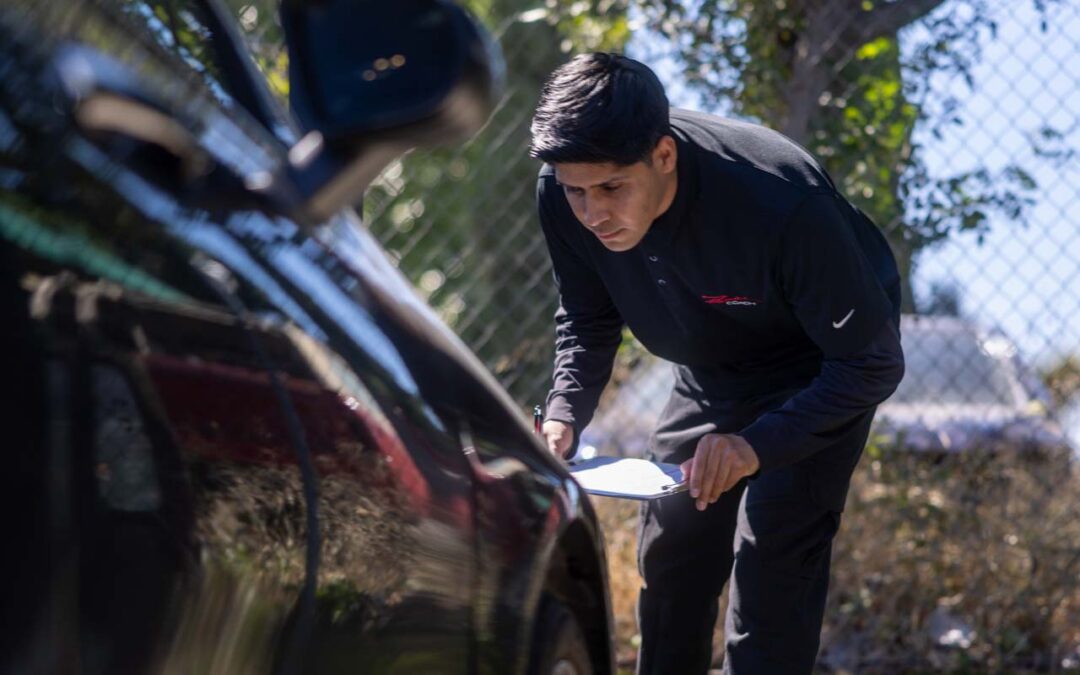
If your vehicle lease is ending soon, a lease return inspection can help document its condition before turn-in. Depending on your leasing company and agreement, the inspection may consider exterior condition, wheels and tires, glass, interior condition, mileage, missing equipment, and other items that could fall outside the lease’s acceptable wear standards. [1][2]
For BMW, Mercedes-Benz, Audi, Lexus, Porsche, Tesla, and other luxury vehicle owners in Thousand Oaks and Camarillo, preparing before the return date gives you time to understand your vehicle’s condition and decide whether dents, scratches, bumper damage, paint damage, or unrepaired collision damage deserve attention before turn-in.
That does not mean you should automatically repair every scratch or dent.
Instead, review your lease-end guidelines, complete any available pre-return inspection, and understand your options before deciding whether addressing body damage makes sense.
Quick Answer: Should you repair damage before returning a leased vehicle?
Not necessarily. Start by comparing the vehicle’s condition with the wear-and-use standards in your lease. If a pre-return inspection identifies damage, or you notice dents, scratches, bumper damage, paint damage, or unrepaired collision damage, getting a professional evaluation can help you understand what a proper repair would involve. You can then decide whether addressing the damage before turn-in makes sense. The leasing company ultimately determines whether damage results in lease-end charges. [1][2]
What Is a Lease Return Inspection?
A lease return inspection documents the condition of a leased vehicle near the end of the lease.
The inspection provides information the leasing company can use to evaluate the vehicle against the wear-and-use standards that apply to your agreement.
Depending on the lessor, an inspection may take place at a dealership, at your home or workplace through a third-party inspector, or at another designated location. [2]
The process can vary from one leasing company to another. Therefore, your lease agreement and current lease-end instructions should take priority over generic online checklists.
Kelley Blue Book recommends beginning lease-return preparation in advance so owners have time for an inspection and can consider whether any issues need attention before turn-in. [1]
When Should You Prepare for a Lease Return Inspection?

Reviewing visible body damage before lease turn-in can help owners understand whether further evaluation may be worthwhile.
Waiting until the day you return the vehicle leaves little opportunity to address unexpected issues.
Kelley Blue Book recommends beginning the preparation process about three months before the end of a lease. [1]Your leasing company may provide its own inspection and return schedule, so always follow the timeline for your specific agreement.
Starting early gives you time to:
- Review your lease-end instructions
- Locate the applicable wear-and-use guidelines
- Check your current mileage
- Inspect the vehicle’s condition
- Schedule a pre-return inspection if one is available
- Locate keys and other required equipment
- Review any issues identified during the inspection
- Evaluate body or collision damage before deciding whether to address it
For drivers in Thousand Oaks and Camarillo, preparing early also leaves time to have body or collision damage professionally evaluated locally if you identify a concern before turn-in.
The purpose is not to make the vehicle perfect.
It is to avoid discovering an issue for the first time when you are already handing over the keys.
What Do Inspectors Look for During a Lease Return Inspection?
The exact requirements vary by lease, but inspections commonly consider several areas of the vehicle.
| Inspection Area | What May Be Reviewed |
|---|---|
| Exterior condition | Dents, scratches, scrapes, bumper damage and other visible exterior damage |
| Wheels and tires | Wheel condition, tire condition and tread |
| Glass | Windshield and other glass damage |
| Interior | Tears, stains, burns or other condition concerns |
| Mileage | Odometer reading compared with the mileage allowance in the lease |
| Equipment | Keys, manuals, floor mats or other supplied items where applicable |
| Vehicle functions | Certain visible or operational issues depending on the inspection process |
Kelley Blue Book identifies dents, collision damage, scratches, wheel damage, windshield damage, and tire wear among the conditions that may matter during lease return. [1] Lease End similarly identifies exterior and interior condition, mileage, tires, wheels, glass, equipment, and certain vehicle functions as areas commonly reviewed. [2]
However, these examples should not be treated as universal thresholds.
Your specific lease determines the standards that apply to your vehicle.
What Is Normal Wear vs. Excess Wear?
This is one of the most important distinctions to understand before returning a leased vehicle.
A vehicle that has been driven for several years will normally show some evidence of use. Leasing companies generally account for a certain level of acceptable wear.
Excess wear refers to vehicle condition that falls outside the standards established by the applicable lease.
The exact dividing line is not universal.
One lessor may permit a particular type or size of cosmetic imperfection that another lessor treats differently. Your lease-end documentation may establish standards involving the size, number, depth, type, or location of damage.
This is why you should be cautious about universal claims such as:
“Every scratch over this size will result in a charge.”
Kelley Blue Book notes that lease agreements typically outline the specific items and conditions considered acceptable. [1]
Use your own lease-end guidelines to determine what applies to your vehicle.
Do All Leasing Companies Use the Same Wear Standards?
No.
There is no single wear-and-use checklist that applies to every leased vehicle.
Requirements can vary by leasing company, manufacturer, agreement, vehicle, and lease program.
This is particularly important for drivers returning vehicles from brands such as BMW, Mercedes-Benz, Audi, Lexus, Porsche, and Tesla. Do not assume that standards from one manufacturer’s leasing program apply to another.
Before making repair decisions, locate the lease-end materials associated with your specific agreement.
Look for information covering:
- Acceptable wear
- Excess wear
- Mileage allowances
- Inspection scheduling
- Vehicle return procedures
- Required equipment
- Potential lease-end charges
Your contract and current lessor guidance should remain the primary references.
What Happens During a Pre-Lease Return Inspection?
If your leasing company offers an inspection before the final turn-in date, it can provide useful information while you still have time to consider your options.
The inspector evaluates and documents the vehicle according to the process used by the leasing company. [2]
That can change the question from:
“What might they find?”
to:
“What condition issues have actually been identified?”
You can then review the findings and determine what, if anything, you want to address before returning the vehicle.
A pre-return inspection does not mean that every identified imperfection must automatically be repaired.
Instead, it gives you additional information before you make that decision.
Can You Be Charged for Damage After a Lease Return Inspection?
Potentially.
If the leasing company determines that vehicle damage exceeds the acceptable wear standards in your agreement, lease-end charges may apply according to the terms of the lease. Excess mileage and missing equipment may also result in charges depending on the agreement. [1][2]
The important point is that the leasing company makes that determination.
A body shop does not decide whether a dent qualifies as normal wear under your lease. Likewise, a repair facility cannot guarantee what a lessor will charge.
That distinction matters when deciding whether to address damage before turn-in.
Should You Address Body Damage Before Returning a Leased Vehicle?
Not every dent, scratch, or bumper scuff needs to be repaired before you return a leased vehicle.
Start by reviewing the wear-and-use standards for your specific lease. If your leasing company offers a pre-return inspection, the inspection may also identify condition issues that deserve your attention.
Addressing damage before turn-in may make sense when:
- The damage appears to fall outside the acceptable wear standards in your lease.
- A pre-return inspection identifies body damage that may result in an excess-wear charge.
- Your vehicle has unrepaired collision damage.
- You want to understand the repair options before deciding whether to return the vehicle as-is.
- There is enough time before turn-in to properly evaluate and address the damage if you choose to proceed.
Kelley Blue Book notes that getting estimates for dents and other body damage before returning a lease can help owners evaluate their options. It also cautions that poor DIY repairs can sometimes create additional problems. [1]
However, repairing an item does not guarantee that your leasing company will waive a charge or accept the vehicle without other lease-end costs.
The lessor ultimately evaluates the vehicle under the terms and standards of your agreement.
Should You Wait for the Pre-Inspection Before Repairing Damage?
When a pre-return inspection is available, having the vehicle inspected before automatically authorizing cosmetic repairs can provide useful information.
Not every imperfection necessarily falls outside the acceptable wear standards of your lease.
If you repair everything you notice before reviewing those standards, you could spend money addressing an item that may not have required action.
On the other hand, waiting until the final turn-in date could leave you with little time to evaluate a condition issue that does concern you.
A practical approach looks like this:
| Step | What to Do |
|---|---|
| 1. Review your lease | Find your lessor’s current wear-and-use and return requirements |
| 2. Inspect your vehicle | Identify visible condition concerns |
| 3. Complete the pre-return inspection | Do this when your leasing company offers or requires one |
| 4. Review the findings | Identify which issues deserve additional consideration |
| 5. Evaluate body damage | Get professional input if you are considering a repair |
| 6. Decide how to proceed | Compare your lease requirements with your repair options |
| 7. Prepare for turn-in | Follow your lessor’s final return instructions |
This keeps the decision centered on your actual vehicle and lease rather than assumptions.
When Can a Pre-Return Body Damage Evaluation Help in Thousand Oaks or Camarillo?
A lease return inspection and a body damage evaluation serve different purposes.
The leasing company’s inspection evaluates the vehicle under its lease-end standards.
A collision repair facility evaluates the damage itself.
If you are preparing for a lease return in Thousand Oaks or Camarillo and notice a dent, damaged bumper, deep scratch, paint damage, damaged body panel, or unrepaired collision damage, a professional evaluation can help you understand:
- What damage is actually present
- Which areas require closer inspection
- What a proper repair would involve
- What repair options may be appropriate
- Whether visible damage could be associated with additional collision-related damage
You can then compare that information with your lease-end requirements before deciding whether addressing the damage makes sense.
You may choose to repair it before turn-in. Alternatively, after reviewing the lease standards, inspection findings, and repair options, you may decide to return the vehicle as-is.
The roles remain different:
The repair facility provides information about the vehicle and repair. The leasing company determines the lease-return outcome.
What About Dents, Scratches, Bumper Damage, and Paint Damage?
These conditions may matter during a lease return, but the first question is not necessarily how to repair them.
Start by comparing the condition with your lease-end guidelines or pre-inspection findings.
If the damage deserves further attention, a qualified collision repair facility can evaluate it and explain the appropriate repair options.
This approach can help you avoid addressing minor wear unnecessarily while still giving you time to evaluate more significant body damage before turn-in.
What If My Leased Vehicle Was Previously Repaired?
If your leased vehicle was involved in an accident, include the repaired area when reviewing the vehicle before turn-in.
Look for remaining visible condition concerns, such as unrepaired dents, scratches, damaged trim, or other obvious issues. Keep your collision repair documentation with your vehicle records as well.
The goal is not to reassess the entire previous repair. Instead, identify visible condition concerns that may deserve attention before the lease return inspection.
What Should You Do 60–90 Days Before Lease Return?
A simple timeline can make the process easier to manage.
60–90 Days Before Turn-In
Review your lease agreement and current lease-end instructions.
Check:
- Lease maturity date
- Mileage allowance
- Current mileage
- Wear-and-use standards
- Inspection requirements
- Return procedures
If your leasing company recommends a specific schedule, follow its instructions.
Before the Pre-Return Inspection
Walk around the vehicle in good lighting.
Document its condition with photographs and note anything you want to ask about.
Also locate:
- All vehicle keys
- Required accessories
- Lease documentation
- Service records where applicable
- Other equipment supplied with the vehicle
After the Inspection
Review the findings.
If body or collision damage has been identified and you are considering addressing it, this is an appropriate time to have the damage evaluated.
For owners in Thousand Oaks or Camarillo, this can also provide enough time to understand the repair scope and options locally before making a decision.
Before Turn-In
Follow the leasing company’s final instructions, gather the required items, document the vehicle’s condition again, and keep records associated with the return.
Kelley Blue Book recommends planning ahead rather than leaving inspection and preparation until the final days of the lease. [1]
Pre-Lease-Return Body Damage Evaluation in Thousand Oaks and Camarillo
Premier Coach Auto Collision helps guests in Thousand Oaks and Camarillo evaluate body and collision damage before returning a leased vehicle.
With more than 30 years of collision repair experience and 31+ OEM manufacturer certifications, Premier Coach works with luxury and technologically advanced vehicles, including BMW, Mercedes-Benz, Audi, Lexus, Porsche, Tesla, and other makes.
If an upcoming lease return inspection has you concerned about dents, bumper damage, scratches, paint damage, damaged exterior panels, or unrepaired collision damage, our team can evaluate the affected area and explain what a proper repair would involve.
A pre-return body damage evaluation can help you understand:
- The condition of the damaged area
- What repair may be appropriate
- What the repair would involve
- Your options before the vehicle is returned
The goal is not to predict what your leasing company will charge.
Instead, the evaluation gives you more information about your vehicle before you decide whether to address the damage or return it as-is.
Premier Coach does not perform the leasing company’s official lease return inspection and does not determine whether damage qualifies as normal or excess wear.
We also cannot guarantee that repairing an item will prevent a lease-end charge.
Those decisions remain with the leasing company under the terms of your lease.
However, if body or collision damage is one of your concerns before turn-in, understanding the condition and repair needs of the vehicle gives you another piece of information to consider.
Lease Return Inspection FAQs
What is a lease return inspection?
A lease return inspection documents a leased vehicle’s condition before or around turn-in so the leasing company can evaluate it according to the standards applicable to the lease.
Depending on the lessor, the inspection may include exterior and interior condition, mileage, tires, wheels, glass, equipment, and other items. [1][2]
When should I schedule my lease return inspection?
Follow the schedule provided by your leasing company.
As general preparation guidance, Kelley Blue Book recommends beginning the lease-return process around three months before the lease ends so there is time for inspection and consideration of potential issues. [1]
What is considered excess wear on a leased vehicle?
Excess wear generally refers to condition that falls outside the acceptable wear standards established by the applicable lease.
There is no universal definition that applies to every leasing company.
Check your lease-end wear guidelines for the standards that apply to your vehicle.
Can I be charged for damage when I return a leased vehicle?
Potentially.
If damage falls outside the acceptable wear standards in your lease, the leasing company may assess charges according to your agreement. [1][2]
Should I repair damage before a lease return inspection?
Not automatically.
Review your lease-end standards first. If a pre-return inspection is available, it may help identify condition issues before you decide whether repairs make sense.
If you are considering addressing body or collision damage, a professional evaluation can help you understand what the repair would involve.
What happens if I return a leased vehicle with body damage?
The leasing company evaluates the vehicle according to the standards and terms of your lease. Damage that falls outside acceptable wear may result in charges.
The exact outcome depends on your agreement and the condition of the vehicle.
Do I need both keys when returning a leased vehicle?
Missing keys or other equipment supplied with the vehicle may matter at lease return depending on your agreement. [2]
Review your lease-end checklist before turn-in and locate all required items in advance.
Who decides whether damage is normal wear?
The leasing company applies the standards associated with your lease.
A body shop can evaluate vehicle damage and explain repair options, but it does not make the lessor’s final determination about acceptable or excess wear.
Where Can I Have Lease Return Body Damage Evaluated in Thousand Oaks or Camarillo?
If you are preparing to return a leased vehicle in Thousand Oaks or Camarillo, Premier Coach Auto Collision can evaluate collision and exterior body damage before turn-in.
Our team can assess dents, bumper damage, scratches, paint damage, damaged exterior panels, and other collision-related concerns and explain what an appropriate repair would involve.
This evaluation is separate from the official lease return inspection performed or arranged by your leasing company.
Can Premier Coach Perform My Official Lease Return Inspection?
Premier Coach can evaluate body and collision damage before lease return, but this is different from the official inspection performed or arranged by your leasing company.
The purpose of a Premier Coach evaluation is to help you understand the damage and repair options before deciding how you want to proceed.
Preparing for a Lease Return in Thousand Oaks or Camarillo?
Preparing for a lease return inspection does not mean trying to make a several-year-old vehicle look brand new.
Start by understanding the standards that apply to your lease. Then inspect the vehicle, complete any available pre-return inspection, and identify condition issues while you still have time to consider your options.
For leased-vehicle owners in Thousand Oaks and Camarillo, Premier Coach Auto Collision can help when body or collision damage is one of those concerns.
Having the damage evaluated before turn-in can help you understand what is damaged, what a proper repair would involve, and what options you have before returning the vehicle. Depending on the condition of your vehicle, this may include:
- Bumper Repair — For scuffs, dents, cracks, or other bumper damage that may deserve attention before lease turn-in.
- Fender Repair — For visible fender dents, scratches, or collision damage that may affect the vehicle’s condition at return.
- Front-End Damage Repair — For unrepaired collision damage affecting the front of the vehicle that may be worth evaluating before lease return.
- Expert Dent Removal — For dents or dings you want professionally evaluated before deciding whether to address them prior to turn-in.
You can then decide whether addressing the damage makes sense based on your lease requirements, inspection findings, timing, and individual circumstances.
The leasing company determines the lease-return outcome. Premier Coach helps you better understand the condition and repair needs of your vehicle before you hand over the keys.
If you have identified body or collision damage before your lease return, you can also use Premier Coach’s Online Estimate to get started
Sources
[1] Kelley Blue Book — Lease Car Return Tips: Plan Ahead to Reduce Out-of-Pocket Expenses
Guidance on lease-return preparation, vehicle condition, wear, inspections, and considering repairs before turn-in.