
What Is an OEM Certified Collision Repair Shop?
When your vehicle has been involved in an accident, choosing the right OEM Certified Collision Repair Shop is just as important as repairing the damage itself. While many drivers compare estimates, insurance coverage, or repair timelines, one important question is often overlooked:
Is the collision repair shop OEM certified for my vehicle?
Today’s vehicles are more advanced than ever. From high-strength steel and aluminum construction to Advanced Driver Assistance Systems (ADAS) and electric vehicle technology, modern vehicles are engineered using manufacturer-specific materials and repair methods. Restoring them properly requires more than replacing damaged parts—it requires the correct training, specialized equipment, and repair procedures developed by the company that built the vehicle.
That’s where OEM certification becomes important.
At Premier Coach Auto Collision, we maintain 31 manufacturer certifications because we believe every repair should follow the standards established by the vehicle manufacturer whenever applicable. These certifications reflect an ongoing investment in technician education, specialized equipment, and manufacturer-approved repair procedures designed for today’s increasingly complex vehicles.
Whether you drive a luxury vehicle, an electric vehicle, or your daily commuter, understanding what an OEM Certified Collision Repair Shop is can help you make a more informed repair decision after a collision.
In this guide, you’ll learn:
- What an OEM Certified Collision Repair Shop is
- Why OEM certifications matter
- What manufacturers require before granting certification
- Why not every body shop is OEM certified
- How to verify a shop’s certifications before authorizing repairs
If you’re looking for a repair facility that follows manufacturer standards,explore our Collision Repair Services page.
What Is an OEM Certified Collision Repair Shop?
Quick Answer: An OEM (Original Equipment Manufacturer) Certified Collision Repair Shop is a repair facility that has been approved by a vehicle manufacturer to repair specific makes and models using manufacturer-approved repair procedures, factory-trained technicians, specialized equipment, and ongoing certification standards. OEM certification is earned separately for each vehicle brand and demonstrates that the shop has met the manufacturer’s requirements for repairing those certified vehicles.
OEM stands for Original Equipment Manufacturer—the company that designed, engineered, and built your vehicle.
An OEM-certified collision repair shop has completed a manufacturer’s certification program by meeting strict requirements for technician training, repair equipment, facility standards, and repair processes. These programs are designed to help ensure certified shops repair vehicles according to the manufacturer’s published procedures rather than relying solely on generalized collision repair methods.
Unlike a traditional body shop, an OEM-certified facility continually invests in resources that support manufacturer-specific repairs, including:
- Specialized repair equipment
- Manufacturer-approved repair procedures
- Brand-specific technician training
- Facility inspections and quality standards
- Ongoing certification requirements
Because every manufacturer has its own certification program, approval is granted one brand at a time.
For example, a collision repair shop certified by BMW is not automatically certified to repair Porsche, Tesla, Mercedes-Benz, or Lexus vehicles. Each certification must be earned individually by meeting that manufacturer’s unique standards and maintaining compliance as vehicle technology evolves.
This distinction is important because modern vehicles are engineered differently.
A Tesla’s aluminum body construction, battery systems, and integrated cameras require different repair procedures than a BMW’s mixed-material structure or a Porsche’s performance-focused engineering. Certified repair facilities are trained to recognize those differences and access the repair information published specifically for the vehicles they are certified to repair.
Learn more about why manufacturer-approved replacement components play an important role by reading OEM Certified Collision Repair: Why OEM Parts Matter More in 2026.
OEM Certified vs. Traditional Collision Repair Shop
Choosing a collision repair facility isn’t simply about finding a shop that can replace damaged parts. It’s about selecting a facility equipped to repair your specific vehicle according to the manufacturer’s standards.
| Traditional Collision Repair Shop | OEM Certified Collision Repair Shop |
|---|---|
| General collision repair experience | Manufacturer-specific technician training |
| Standard repair methods | Follows manufacturer-published repair procedures |
| General-purpose repair equipment | OEM-required tools and specialized equipment |
| Training varies by technician and facility | Ongoing manufacturer training and recertification |
| Repairs many brands using similar methods | Repairs certified brands according to manufacturer standards |
| Equipment depends on the shop | Equipment required by the OEM certification program |
| No manufacturer certification required | Certification must be earned and maintained for each manufacturer |
| Repair processes determined by the shop | Repair processes guided by manufacturer repair information |
While many collision repair shops provide quality repairs, an OEM-certified facility has demonstrated to the manufacturer that it meets the requirements established for the brands it is certified to repair. For vehicle owners, that provides additional confidence that the shop has invested in the training, equipment, and repair resources needed to work on today’s increasingly sophisticated vehicles.
Why OEM Certification Matters
Quick Answer: OEM certification helps support repairs that follow manufacturer-approved procedures designed to restore your vehicle’s structural integrity, safety systems, and overall performance after a collision.
Vehicle technology has changed dramatically over the past decade.
Modern vehicles are built with advanced materials and integrated safety systems that work together before, during, and after a collision. Even what appears to be minor damage may affect components that require inspection, repair, or calibration according to manufacturer recommendations.
Modern Vehicles Require Specialized Repairs
Depending on the vehicle, these technologies may include:
- Advanced Driver Assistance Systems (ADAS)
- Blind Spot Monitoring
- Adaptive Cruise Control
- Lane Keeping Assist
- Forward Collision Warning
- Surround-view camera systems
- Radar and ultrasonic sensors
- High-strength steel
- Aluminum body construction
- High-voltage electric vehicle systems
For example, a front-end collision may damage more than the bumper cover. Sensors mounted behind the bumper can affect features such as automatic emergency braking or adaptive cruise control and may require inspection or recalibration after repairs. Likewise, repairing an aluminum-bodied vehicle often requires dedicated work areas and specialized equipment to help prevent material contamination.
Learn how modern vehicle technology has changed collision repair in our How Modern Collision Repair Protects People and Property in California guide.
Why Manufacturer Repair Procedures Matter
Vehicle manufacturers spend years designing, engineering, and crash-testing their vehicles. Their published repair procedures are based on that engineering knowledge and provide certified repair facilities with guidance for restoring vehicles according to factory standards whenever applicable.
For drivers, choosing an OEM Certified Collision Repair Shop means selecting a facility that has committed to staying current with evolving vehicle technology through ongoing training, specialized equipment, and manufacturer-specific repair information.
Instead of relying on one repair approach for every vehicle, certified facilities understand that different manufacturers often require different repair methods, materials, and inspection procedures. Following those manufacturer recommendations helps support the safety, performance, and long-term integrity of the vehicle after repairs are completed.
What Does an OEM Certification Require?
Quick Answer: OEM certification requires a collision repair shop to meet manufacturer standards for technician training, specialized equipment, repair procedures, facility requirements, and ongoing compliance. Maintaining certification requires continuous investment as vehicle technology and manufacturer standards evolve.
Many people assume an OEM certification is simply a logo displayed on a repair shop’s website or lobby wall.
In reality, earning and maintaining certification requires an ongoing commitment to manufacturer standards. While every automaker has its own certification program, most evaluate the same core areas before approving a collision repair facility.
Specialized Repair Equipment
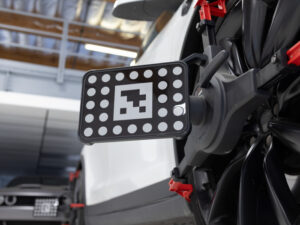
Modern vehicles are built using a variety of materials and technologies that often require dedicated repair equipment. A shop cannot simply rely on conventional tools to repair every vehicle according to manufacturer standards.
Depending on the manufacturer, certified collision repair facilities may be required to maintain equipment such as:
- Aluminum repair workstations
- Manufacturer-approved welding equipment
- Computerized frame measuring systems
- Resistance spot welders
- ADAS calibration equipment
- Advanced refinishing systems
These tools help technicians perform repairs according to the manufacturer’s published procedures and are updated as vehicle technology continues to evolve.
Manufacturer-Specific Technician Training
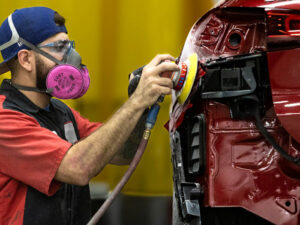
Having the right equipment is only part of the process.
Technicians must also understand how each manufacturer designs and repairs its vehicles. Certification programs require ongoing education that focuses on the specific vehicles the shop is certified to repair.
Training commonly includes:
- Structural repair techniques
- Vehicle construction materials
- Electric and hybrid vehicle repair
- Advanced Driver Assistance Systems (ADAS)
- Manufacturer repair procedures
- Diagnostic technology
Training is continuous rather than a one-time requirement. As manufacturers introduce new models, materials, and repair methods, certified technicians complete additional education to maintain their qualifications.
Manufacturer Repair Procedures
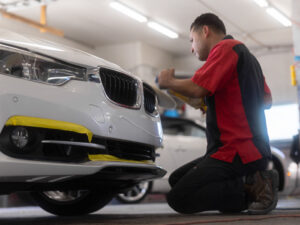 Every certified manufacturer provides repair information developed specifically for its vehicles.
Rather than relying on generalized repair methods, OEM-certified collision repair shops reference these published procedures throughout the repair process whenever applicable.
Depending on the repair, manufacturer procedures may include guidance for:
- Structural repairs
- Panel replacement
- Approved welding methods
- Adhesive bonding
- Material handling
- Required inspections
- Post-repair calibrations
Following these procedures helps promote repair consistency while supporting the vehicle’s structural design and integrated safety systems.
Facility Standards and Ongoing Compliance
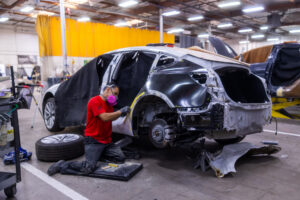
OEM certification extends beyond technicians and equipment. Manufacturers also evaluate the repair facility itself to help ensure it can support repairs for certified vehicles.
Certification programs may review factors such as:
- Shop layout
- Dedicated repair areas
- Equipment maintenance
- Quality control processes
- Repair documentation
- Technician training records
Certification is not permanent.
Vehicle manufacturers regularly update their repair information, certification standards, and equipment requirements as new vehicle technologies are introduced. To remain certified, collision repair facilities must continue meeting those evolving standards through ongoing training, equipment investments, and program compliance.
Why Aren’t Most Body Shops OEM Certified?
Quick Answer: Many collision repair shops are not OEM certified because certification requires significant investments in specialized equipment, technician training, facility standards, and ongoing manufacturer compliance. Not every repair facility chooses to make that long-term commitment.
Many drivers assume every body shop repairs vehicles the same way.
In reality, vehicle manufacturers establish different certification requirements for each brand, and earning certification involves far more than purchasing equipment or displaying manufacturer logos.
Certified facilities continually invest in technician education, specialized tools, facility improvements, and updated repair information to meet manufacturer requirements. Those investments continue long after certification is first earned.
This does not necessarily mean a non-certified shop performs poor-quality repairs. However, it does mean the facility has not completed the manufacturer’s certification program for the brands it is not certified to repair.
For owners of vehicles equipped with advanced construction methods, sophisticated electronics, or electric powertrains, choosing a repair facility certified for their specific manufacturer can provide additional confidence that the shop has invested in the resources required to repair those vehicles according to manufacturer standards.
How Premier Coach Maintains 31 Manufacturer Certifications
Quick Answer: Premier Coach Auto Collision maintains 31 manufacturer certifications because modern vehicles require manufacturer-specific repair knowledge, specialized equipment, and continuous technician training. Every certification reflects an ongoing commitment to repairing certified vehicles according to the standards established by their manufacturers.
Every vehicle manufacturer engineers its vehicles differently.
BMW repair procedures differ from Porsche’s. Tesla vehicles require repair processes that differ from many traditional gasoline-powered vehicles. Even within the same brand, repair methods continue to evolve as manufacturers introduce new materials, electronics, and safety technologies.
Rather than relying on a single repair approach for every vehicle, Premier Coach continually invests in manufacturer certification programs that help our technicians stay current with the latest repair procedures for the brands we are certified to repair.
Maintaining 31 manufacturer certifications requires ongoing investment in:
- Manufacturer-specific technician training
- Specialized repair equipment
- Factory-approved repair procedures
- Facility improvements
- Diagnostic and calibration technology
- Continuing education and certification renewal
These investments help our team adapt as vehicle technology continues to evolve, allowing us to repair certified vehicles using the latest manufacturer guidance whenever applicable.
For drivers throughout Thousand Oaks, Camarillo, Ventura County, and surrounding Southern California communities, that means choosing a collision repair facility committed to keeping pace with today’s increasingly advanced vehicles—not simply relying on yesterday’s repair methods.
Questions to Ask Before Choosing a Collision Repair Shop
Quick Answer: Before selecting a collision repair shop, verify that it is certified for your vehicle’s manufacturer, ask whether it follows OEM repair procedures, and confirm that it has the equipment and training required to repair your specific vehicle. These questions can help you make a more informed repair decision after a collision.
Choosing a collision repair shop involves more than comparing estimates or repair timelines. Asking a few key questions can help you better understand the qualifications and repair standards behind your vehicle’s restoration.
Consider asking:
- Is your shop OEM certified for my vehicle’s manufacturer?
- Do your technicians receive manufacturer-specific training?
- Do you follow the manufacturer’s published repair procedures?
- Do you have the specialized equipment required to repair my vehicle?
- Will any required post-repair inspections or ADAS calibrations be completed?
The answers to these questions can provide greater confidence that the repair facility has the training, equipment, and manufacturer resources needed to repair your vehicle according to the standards established for your specific make and model.
Frequently Asked Questions
Does OEM certification expire?
Quick Answer: Yes. OEM certification must be maintained through ongoing technician training, equipment updates, facility requirements, and continued compliance with the manufacturer’s certification program. Certification is an ongoing commitment rather than a one-time achievement.
Manufacturers regularly update their repair procedures, equipment requirements, and training programs as new vehicle technologies are introduced. Certified collision repair facilities must continue meeting those evolving standards to maintain their certification.
Can one OEM certification cover every vehicle manufacturer?
Quick Answer: No. Each vehicle manufacturer has its own certification program. A collision repair shop must earn certification separately for every manufacturer it represents.
For example, a shop certified to repair BMW vehicles is not automatically certified to repair Porsche, Tesla, Mercedes-Benz, or other manufacturers. Every certification has its own requirements for technician training, equipment, and ongoing compliance.
Why don’t all body shops become OEM certified?
Quick Answer: OEM certification requires significant investments in specialized equipment, technician training, facility standards, and ongoing manufacturer compliance. Not every repair facility chooses to make that long-term investment.
While many body shops provide quality repairs, OEM-certified facilities have completed the certification requirements established by the manufacturers they represent and continue investing in the resources needed to maintain those certifications.
Is an OEM-certified collision repair shop better than a non-certified shop?
Quick Answer: OEM certification indicates that a repair facility has met the manufacturer’s requirements for the brands it is certified to repair. For those vehicles, it provides additional confidence that the shop has invested in manufacturer-approved training, equipment, and repair procedures.
Every vehicle owner should choose a repair facility they trust. If your vehicle’s manufacturer offers a certification program, selecting a shop certified for your specific make can help ensure the facility has access to the latest repair information and manufacturer-approved resources.
How can I verify whether a collision repair shop is OEM certified?
Quick Answer: Most vehicle manufacturers publish online directories of their approved collision repair facilities. You can also ask the repair shop which certifications they maintain and verify them directly through the manufacturer’s official website whenever available.
Checking a manufacturer’s official directory is one of the easiest ways to confirm whether a collision repair shop currently holds certification for your vehicle’s brand.
Why Drivers Choose Premier Coach Auto Collision
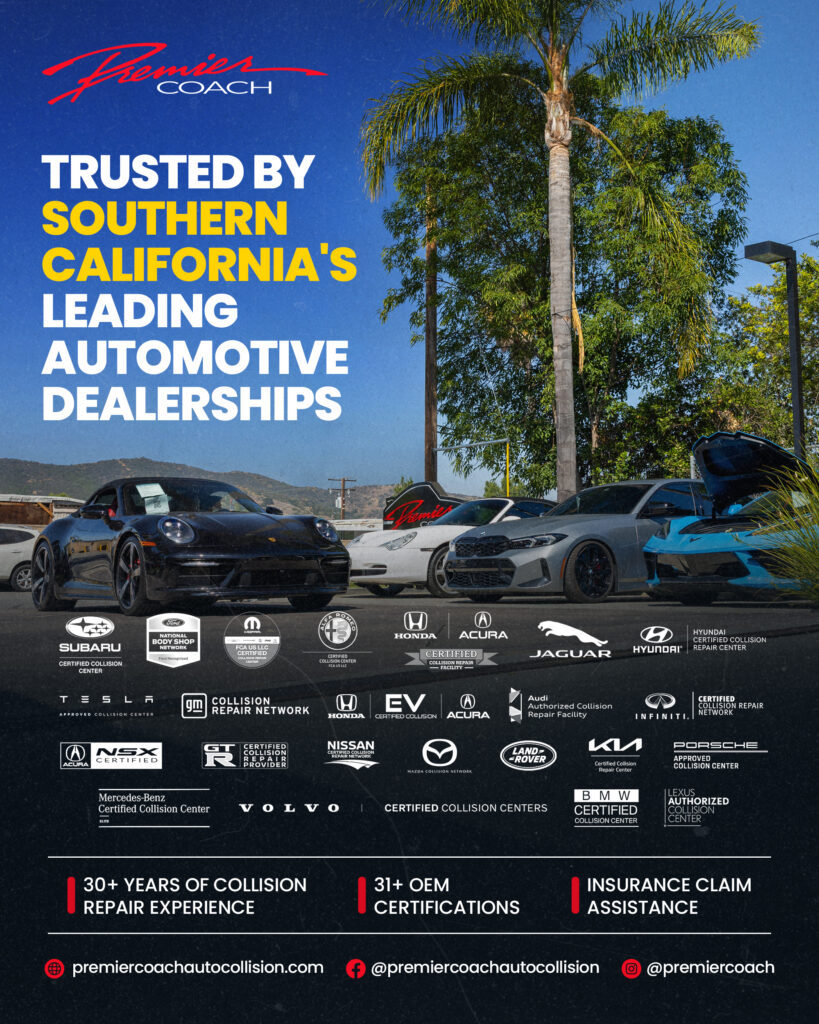
For more than 30 years, Premier Coach Auto Collision has invested in the people, equipment, and manufacturer relationships required to repair today’s increasingly advanced vehicles. Our commitment to quality extends beyond repairing visible damage—it’s about following the repair standards established by the manufacturers who designed and built the vehicle.
Today, we proudly maintain 31 OEM manufacturer certifications, serving drivers throughout Thousand Oaks, Camarillo, Ventura County, and surrounding Southern California communities.
Whether you drive a BMW, Porsche, Tesla, Mercedes-Benz, Lexus, Honda, Acura, Ford, or another certified manufacturer, our team is committed to:
- Following manufacturer-published repair procedures whenever applicable
- Investing in ongoing technician training and education
- Maintaining specialized manufacturer-required repair equipment
- Staying current with evolving vehicle technologies and repair standards
- Delivering quality repairs backed by decades of collision repair experience
As vehicle technology continues to evolve, so does our commitment to providing repairs that align with the latest manufacturer recommendations for the brands we are certified to repair.
Schedule Your Collision Repair Estimate
Choosing a collision repair shop is about more than restoring your vehicle’s appearance. It’s about selecting a facility that understands how your vehicle was engineered and has invested in the training, equipment, and manufacturer resources needed to repair it according to factory standards whenever applicable.
If your vehicle has been involved in an accident, Premier Coach Auto Collision is here to help.
Our experienced team can guide you through the repair process, work with your insurance company when needed, and answer any questions about our OEM certifications and repair procedures.
Contact Premier Coach Auto Collision today to schedule your collision repair estimate at our Thousand Oaks or Camarillo location, or explore our complete list of OEM manufacturer certifications to learn more about the brands we are certified to repair. Check here for your Online Estimate.
If you’re filing an insurance claim, our guide to Navigating Auto Insurance Claims in 2026 explains what to expect throughout the repair process.
References
- BMW USA – Certified Collision Repair Centers (CCRC)
https://bmwusaservice.com/ccrc - Porsche Approved Collision Center Program
https://www.porschecollisioncenter.com/ - Tesla – Collision Repair
https://www.tesla.com/support/collision-support - Insurance Institute for Highway Safety (IIHS)
https://www.iihs.org/ - National Highway Traffic Safety Administration (NHTSA)
https://www.nhtsa.gov/ - I-CAR – Industry Training Alliance
https://www.i-car.com/ - OEM1Stop – OEM Repair Information Portal
https://www.oem1stop.com/ - California Department of Insurance – Auto Insurance & Claims
https://www.insurance.ca.gov/01-consumers/105-type/95-guides/01-auto/