
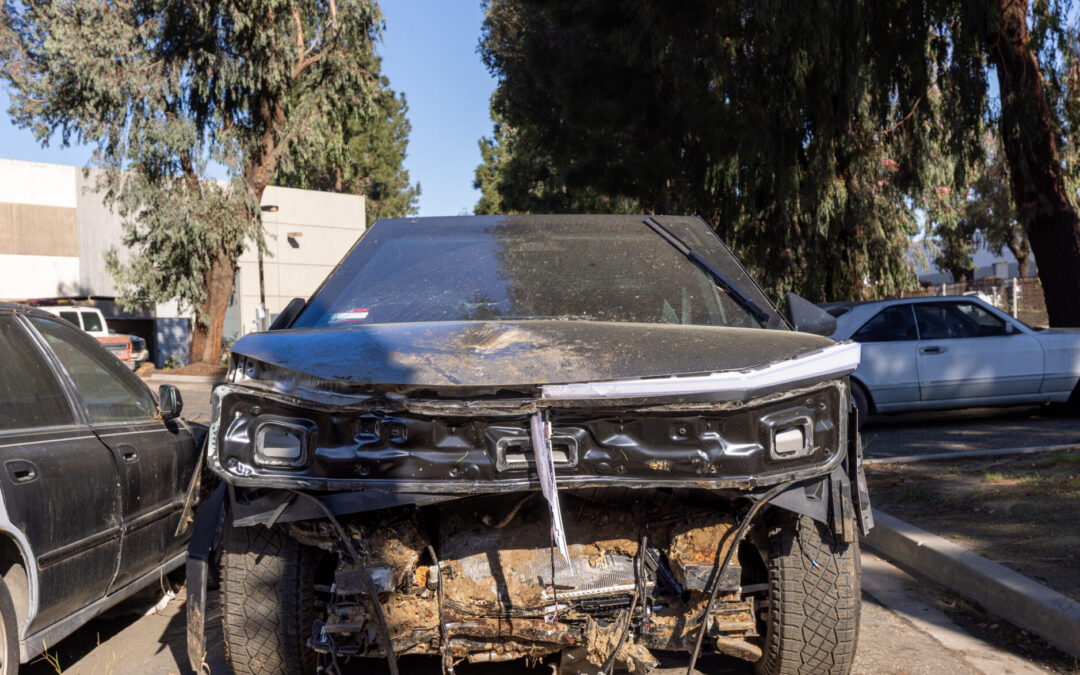
In 2026, many vehicle owners worry about hearing the words “total loss” after an accident. Although damage may appear minor, repairability depends on a complete and accurate inspection, not surface-level impressions.
Industry data confirms that while overall claim frequency has declined, collision repair complexity and total loss rates continue to rise, which understandably increases concern among drivers.
A total loss decision is not automatic. Instead, several factors shape the outcome, and in many cases, a professional repair evaluation determines whether a vehicle can be repaired safely and reasonably before any final decision occurs.
What Does Total Loss Mean After a Car Accident?
A vehicle becomes a total loss when the estimated repair cost approaches or exceeds a percentage of the vehicle’s actual cash value. This threshold varies by insurer and state, but it typically falls between 65% and 75%.
As vehicle values and repair requirements continue to evolve, insurers now declare total losses more frequently than in previous years. Even so, insurers should base these determinations on a complete evaluation supported by documented repair requirements, not assumptions or visual estimates alone.
Why Total Loss Decisions Are More Common in 2026
Several industry trends continue to drive this shift.
Higher Repair Complexity
Modern vehicles feature:
-
Advanced electronics
-
Integrated safety technologies
-
Tightly packaged components
-
Manufacturer-specific repair procedures
Because of this complexity, repairable claims now require greater precision, documentation, and inspection than in the past. As a result, repair scope often becomes clear only after a hands-on, in-person evaluation.
Industry reporting shows that repairable claims now require more steps, documentation, and precision, even as overall claim volume declines.
Additionally, Body Shop Business reports that today’s collision repairs demand significantly more technology, specialized tooling, and documentation than in the past, which directly affects how insurers evaluate repairability.
As a result, even lower-speed impacts can require detailed repair plans—requirements that often become clear only after proper inspection and disassembly.
Rising Parts and Labor Costs
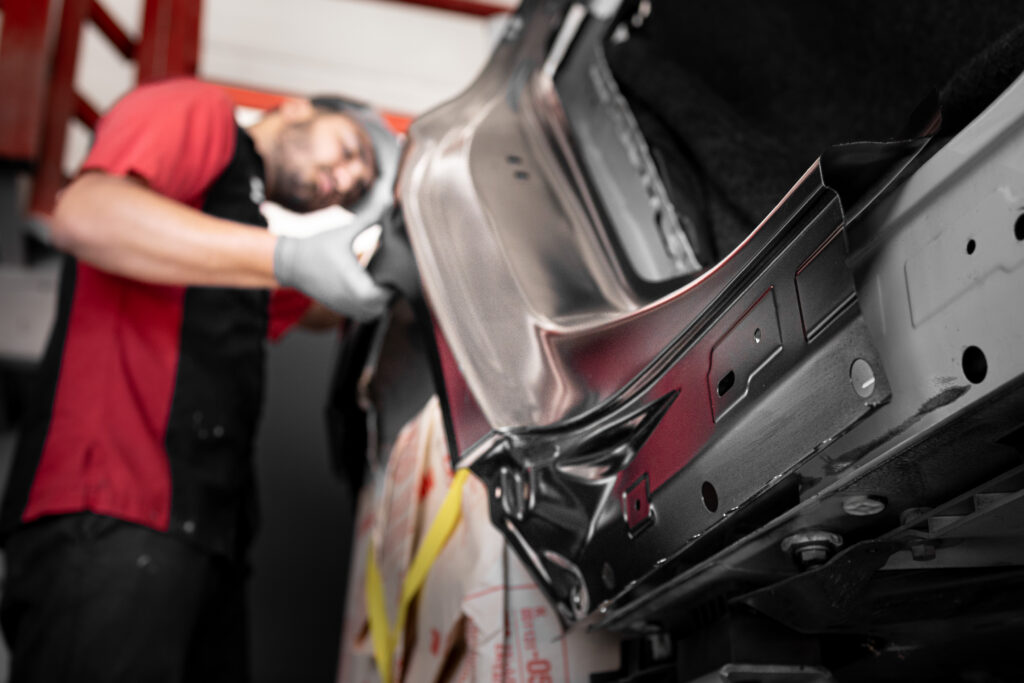
Replacement parts now cost more than they did just a few years ago. At the same time, manufacturer-approved repair procedures require additional labor steps to meet safety and quality standards.
According to industry trend analysis, insurers increasingly factor in advanced repair operations and higher parts costs when evaluating claims in 2026.
Source:
Taken together, these factors highlight the importance of accurate inspections, clear documentation, and manufacturer-approved repair planning when determining whether a vehicle should be repaired or declared a total loss.
Why a Vehicle Can Be Evaluated for Total Loss After Minor Damage
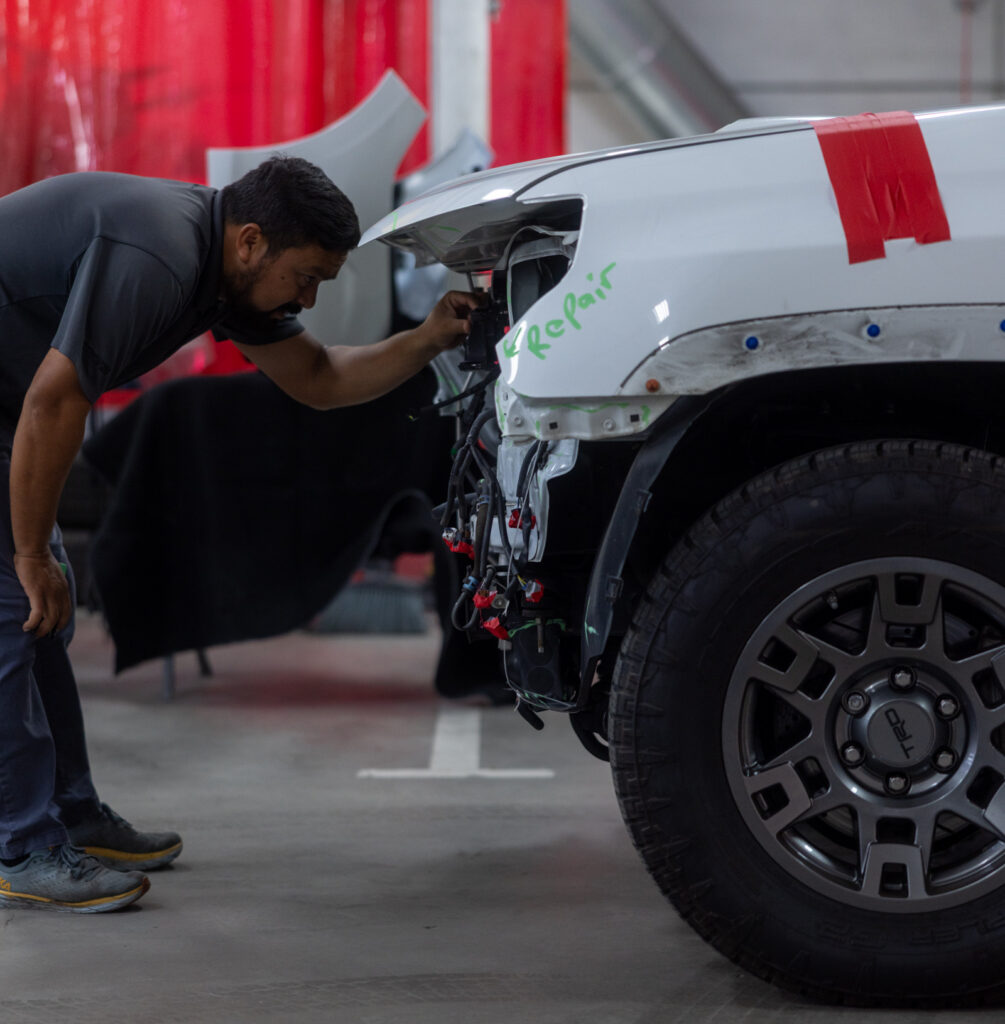
Many drivers feel surprised when insurers raise total loss discussions after what appears to be minor damage. This often happens because visible damage does not reflect the full scope of required repairs.
Hidden damage may exist:
-
Behind bumpers or exterior panels
-
Around structural mounting points
-
Beneath trim or interior components
Because insurers compare repair costs to vehicle value, even moderate increases in documented repair scope can influence the evaluation. For that reason, proper inspection plays a critical role in confirming whether repair remains a viable option before any final decisions are made.
Before accepting a total loss decision, it’s worth knowing how repair quality affects your vehicle’s value—here’s why choosing a certified shop can save you money in the long run.
Photo Estimates vs. In-Person Inspections
Insurance companies often begin claims using AI-driven photo estimates. These tools help start the process quickly, but they do not replace physical inspections.
Limits of Photo Estimates
Photo estimates only assess visible surfaces. They cannot detect:
-
Damage behind panels
-
Structural alignment concerns
-
Required repair steps not visible in images
Industry sources consistently note that initial estimates often change after a hands-on inspection because additional damage is discovered.
Because of this, photo estimates often underrepresent the true scope of repairs, which is why in-person inspections play an important role in confirming repair feasibility.
Why In-Person Inspections Matter
A physical inspection allows repair professionals to identify hidden damage early, create a complete repair blueprint, and document repair requirements accurately.
As a result, in-person inspections provide insurers and vehicle owners with clearer, more reliable informationbefore any conclusions are reached.
The Hidden Value of Older Vehicles in 2026
Used vehicle values remain strong in 2026, and this trend plays an important role in total loss evaluations.
Because insurers calculate total loss using actual cash value:
-
Higher vehicle value raises the total loss threshold
-
More repairs remain economically reasonable
In many cases, older vehicles offer more repair flexibility than owners expect, especially when condition and value are evaluated and documented correctly.
Choosing a Certified Repair Facility Before a Total Loss Decision
How Certified Collision Repair Helps Protect Repair Options
Certified collision repair does not determine whether a vehicle becomes a total loss. However, it ensures that repair evaluations remain accurate, complete, and manufacturer-compliant.
Proper documentation strengthens the repair evaluation process by:
-
Identifying the full scope of damage
-
Supporting an accurate cost assessment
-
Preventing assumptions based solely on surface damage
As a result, accurate repair documentation helps confirm when repair remains a viable and appropriate optionbefore any final decisions are made.
What This Means for Vehicle Owners
After an accident, understanding the process reduces uncertainty and confusion.
It is important to remember:
-
Photo estimates serve only as a starting point
-
Hidden damage requires hands-on, in-person inspection
-
Vehicle value plays a direct role in repairability
-
Documentation directly influences total loss decisions
Most importantly, a total loss determination should follow a complete, informed evaluation, not limited information or early assumptions.
How Premier Coach Auto Collision Supports a Repair-First Evaluation
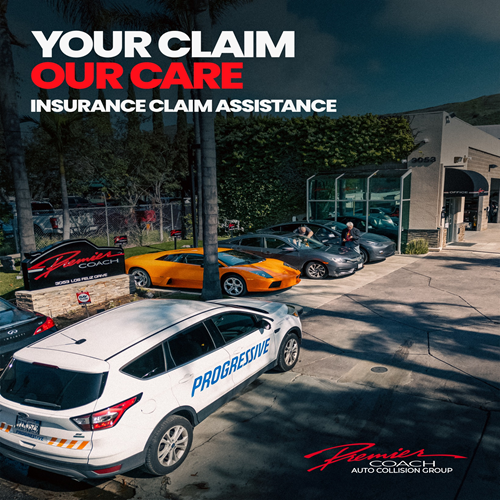
At Premier Coach Auto Collision, our team prioritizes accuracy, clear communication, and consistent repair standards throughout every repair evaluation.
We support guests by:
-
Performing detailed in-person inspections
-
Creating complete, accurate repair blueprints
-
Communicating clearly with guests and insurance providers
-
Following manufacturer-approved repair procedures
Although insurance providers make the final total loss decision, our process fully evaluates, documents, and communicates repair potential before any conclusions are reached.
In addition, our insurance claim assistance helps guests navigate the claims process with clarity and confidence, providing peace of mind while repair options are under review.
A total loss designation is not automatic after an accident. When professionals evaluate damage accurately and consider vehicle value carefully, many vehicles remain safely and reasonably repairable.
Related Collision Repair Services
If you’re navigating an insurance claim after an accident, understanding the full scope of repairs can help you make informed decisions—especially when trying to avoid a total loss. Explore these key services:
- Insurance Claim Assistance – Learn how our team helps manage your claim from inspection to final approval
- Frame & Structural Repair – Critical repairs that restore the integrity and safety of your vehicle
- Automotive Frame Straightening – Precision realignment using advanced measuring systems
- Front-End Damage Repair – Common after collisions involving bumpers, headlights, and structural components
- ADAS Calibration – Required after many repairs to ensure safety systems function correctly
Not seeing what you need? Explore our full range of collision repair services to better understand all your options and make the most informed decision for your vehicle.
Conclusion
Total loss discussions in 2026 reflect changes in repair complexity, parts costs, and vehicle valuation. When vehicle owners understand how insurers evaluate damage, they navigate the process with greater confidence.
Accurate inspections, complete documentation, and clear communication shape proper outcomes. When repair teams follow manufacturer-approved repair procedures, repair remains a safe and practical option.
Modern vehicles require detailed repair planning. However, a certified repair facility that evaluates damage thoroughly, documents required operations, and follows manufacturer-approved procedures supports informed repair decisions instead of premature total loss conclusions.
At Premier Coach Auto Collision, our team follows a repair-first approach. We perform in-person inspections, create complete repair blueprints, and apply OEM-compliant procedures for qualifying repairs. Clear documentation and communication ensure repair potential receives full consideration before any total loss decision.
This approach protects vehicle safety, preserves vehicle value, and gives guests confidence in their repair options.
Ready to Get Started?
After an accident, choosing the right repair facility protects your options. Selecting a team that follows proper repair standards from the start matters.
At Premier Coach Auto Collision, we inspect damage thoroughly and explain each step clearly, so guests know what to expect. We proudly serve guests throughout Thousand Oaks, Camarillo, Oak Park, and Westlake Village, as well as surrounding areas across Ventura County.
Whether the damage appears minor or more involved, our team is ready to help you move forward.
Contact Premier Coach Auto Collision today to schedule an estimate and get started.
Sources
-
Autobody News – 2025 Data Points to Fewer Claims, More Collision Repair Complexity in 2026
https://www.autobodynews.com/news/2025-data-points-to-fewer-claims-more-collision-repair-complexity-in-2026 -
BodyShop Business – Trends Shaping the Future of Collision Repair
https://www.bodyshopbusiness.com/trends-shaping-the-future-of-collision-repair/ -
Frank Terlep, LinkedIn – Top 10 Collision Repair Trends for 2026
https://www.linkedin.com/pulse/top-10-collision-repair-trends-2026-frank-terlep-bycdc/