
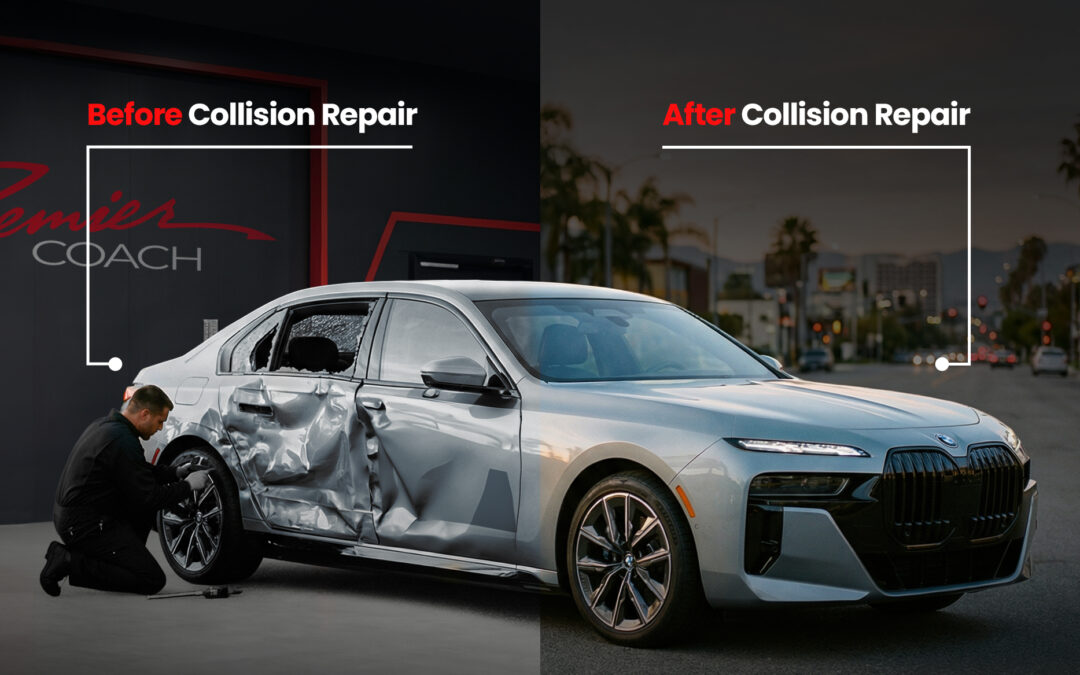
Weather related collision repair has become increasingly common as weather patterns across the United States continue to shift and drivers feel the effects on the road. As conditions evolve in 2026, more severe storms, heavier rainfall, flooding events, and winter weather extremes contribute to new types of vehicle damage and more complex collision repairs.
At the same time, recent research confirms that extreme weather events are becoming more frequent and more disruptive, affecting road safety, transportation networks, and insurance systems nationwide.
Because of these changes, collision repair now requires deeper inspection, clearer documentation, and closer adherence to manufacturer repair standards to ensure vehicles are repaired correctly.
How Climate Changes Are Affecting Road Conditions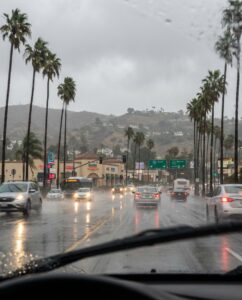
Environmental changes influence road safety in several ways. In particular, shifting conditions often increase the likelihood of accidents and vehicle damage, especially during severe weather events.
More Severe Storms and Reduced Visibility
During severe storms, heavy rain, strong winds, snow, and ice significantly reduce visibility and traction. As a result, drivers face:
-
Increased hydroplaning incidents
-
A higher risk of multi-vehicle collisions
-
Impact damage from debris, fallen branches, and loose roadway objects
In early 2026, a massive winter storm created hazardous driving conditions across large portions of the country. Consequently, disrupted travel and reduced road safety increased collision risk due to snow, sleet, and ice.
Flooding and Water Intrusion Damage
Flooding presents one of the most serious risks to modern vehicles. Water exposure can affect:
-
Electrical systems and control modules
-
ADAS sensors and cameras
-
Wiring harnesses and connectors
-
Interior materials and safety components
Because water damage is not always visible, post-incident inspection plays a critical role in determining repair scope and vehicle safety.
Transportation Disruptions Increase Road Hazards
Severe weather also disrupts transportation networks and roadway conditions.
A potent winter storm forecast in 2026 threatened major U.S. transportation corridors, with heavy snow and ice expected to delay freight movement and create hazardous driving conditions for extended periods.
When maintenance schedules and freight traffic are disrupted, drivers often encounter uneven pavement, debris, and congested traffic patterns that increase collision risk.
New Types of Collision Damage Are Becoming More Common
As weather related collision repair becomes more frequent, repair facilities increasingly encounter damage patterns that differ from traditional collisions. As a result, environmental conditions now play a larger role in determining repair complexity and inspection requirements.
Under-body and Structural Damage
After storms or flooding, standing water, road washouts, and uneven pavement often lead to under-body impacts. In many cases, these impacts affect suspension components, structural mounting points, and battery enclosures on electric vehicles. Without thorough inspection, this type of damage may remain undetected and compromise long-term vehicle safety.
Sensor and Calibration-Related Issues
At the same time, weather related collision repair frequently involves vehicles equipped with advanced safety technology. Modern vehicles rely heavily on cameras, radar, and ultrasonic sensors, all of which are sensitive to impact and water exposure. Consequently, weather-related incidents can disturb sensor alignment, camera mounting angles, and calibration reference points, even when exterior damage appears minimal.
As a result, recalibration may be required to restore proper system performance and ensure safety features function as designed.
Why Proper Inspection Matters More Than Ever
In today’s repair landscape, visible damage rarely tells the full story. For this reason, weather related collision repair often involves secondary damage that only becomes apparent after detailed inspection and diagnostic scanning.
Proper inspection helps ensure:
-
All affected systems are accurately identified
-
Repairs follow manufacturer-approved procedures
-
Safety systems function correctly after repairs
Without these steps, relying on surface-level estimates increases long-term repair risk and may compromise vehicle performance.
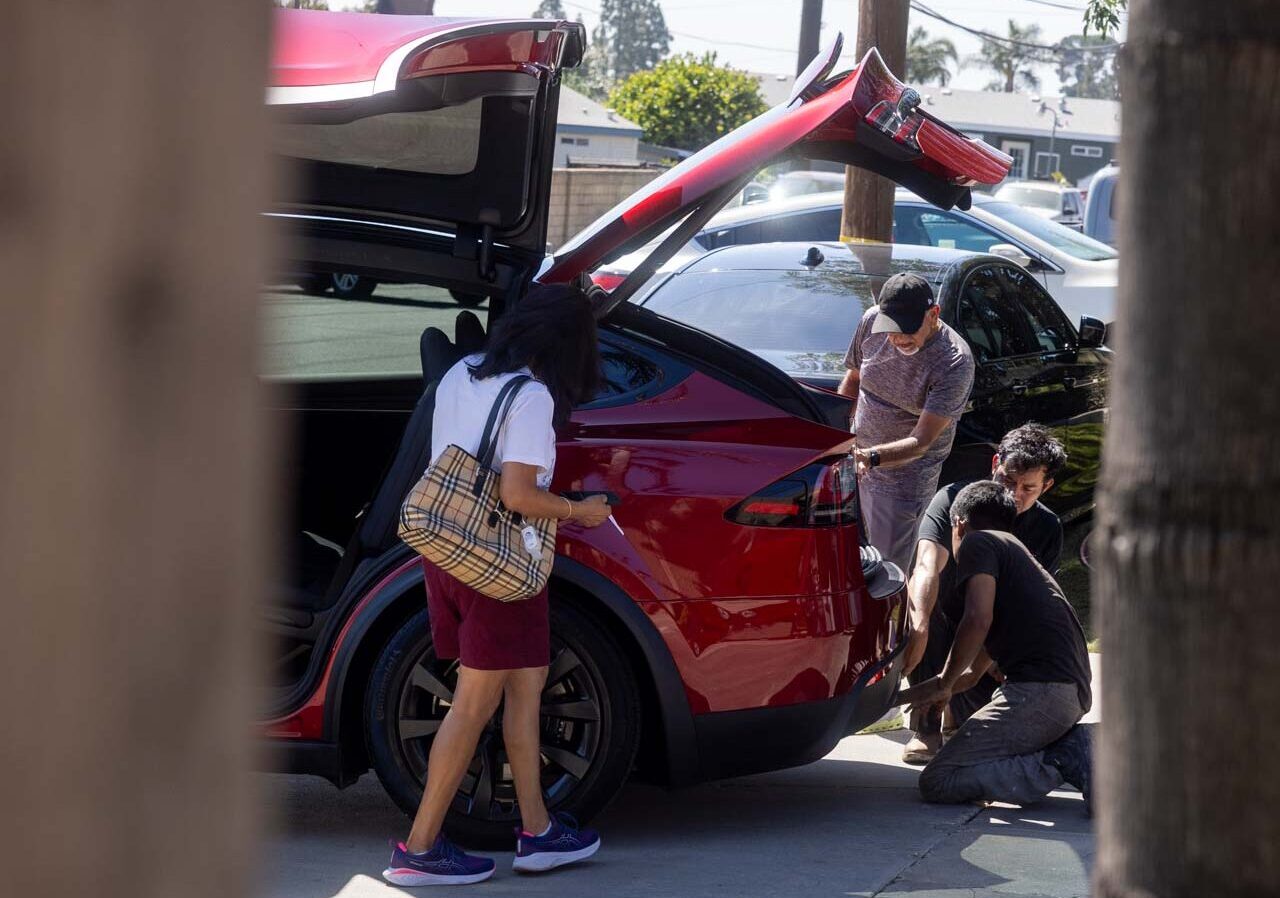
Where OEM Certified Collision Repair Fits In
Environmental changes influence road safety in several ways, often increasing the likelihood of accidents and vehicle damage.
More Severe Storms and Reduced Visibility
Heavy rain, strong winds, snow, and ice reduce visibility and traction. As a result, drivers face:
-
Increased hydroplaning incidents
-
Higher risk of multi-vehicle collisions
-
Impact damage from debris, fallen branches, and loose roadway objects
A massive winter storm in early 2026 created hazardous driving conditions across large portions of the country, disrupting travel and increasing collision risk due to snow, sleet, and ice.
How Climate Trends Affect Repair Timelines
Severe weather events can affect repair timelines in several ways. For example, storms often increase regional repair demand, disrupt transportation networks and parts distribution, and require additional inspection and documentation.
Even so, while timelines may vary, proper repair standards remain unchanged. Accuracy, safety, and compliance continue to guide certified repairs regardless of external conditions.
How Southern California Weather Creates Unique Collision Repair Challenges
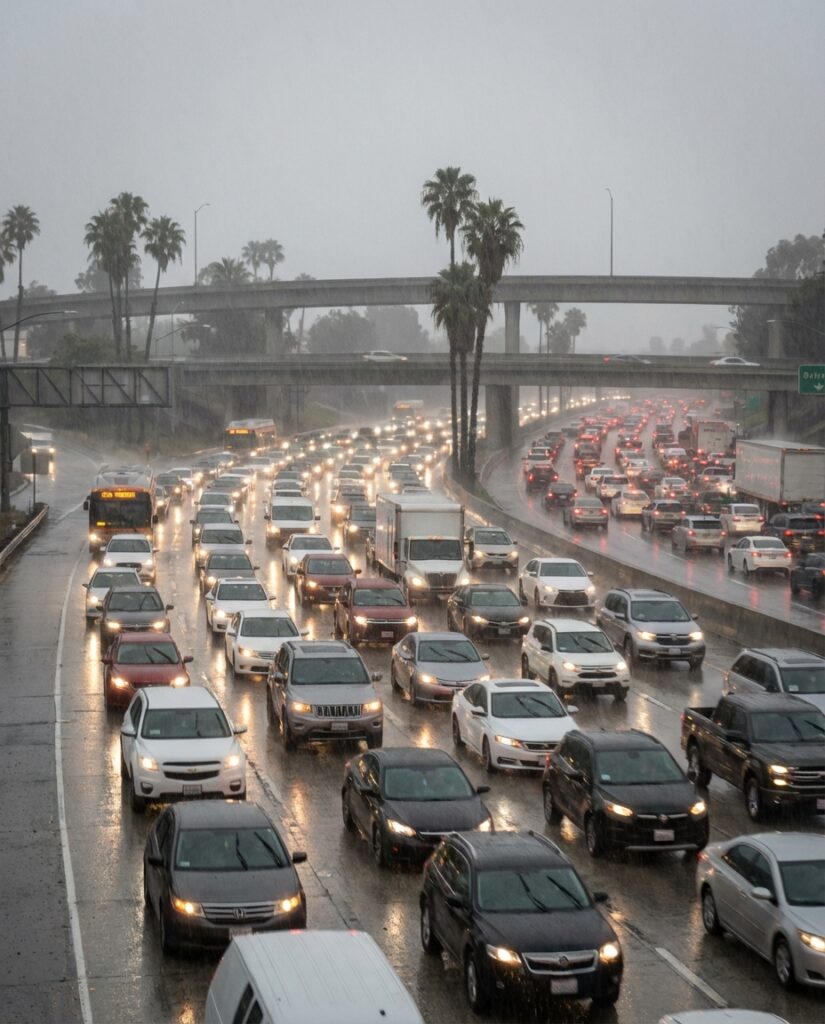
While Southern California does not experience snowstorms like other regions, local weather patterns still contribute to collision damage in distinct ways. As a result, areas such as Ventura County and surrounding communities increasingly face road hazards tied to seasonal rain, wildfire conditions, and temperature extremes, all of which contribute to weather related collision repair needs.
At the same time, national research shows that extreme weather risks now place growing strain on infrastructure, transportation systems, and insurance exposure across the country.
Heavy Rain, Flash Flooding, and Mudslides
After long dry periods, sudden heavy rain reduces traction and increases hydroplaning risk. In addition, hillside and canyon areas may experience mudslides and debris flow, which create low-visibility conditions, sudden roadway obstructions, and underbody damage caused by debris and uneven pavement.
As conditions worsen, weather-driven transportation disruptions often delay road clearing and maintenance. Consequently, drivers face continued exposure to hazards even after storms pass
Wildfire Debris and Post-Fire Road Conditions
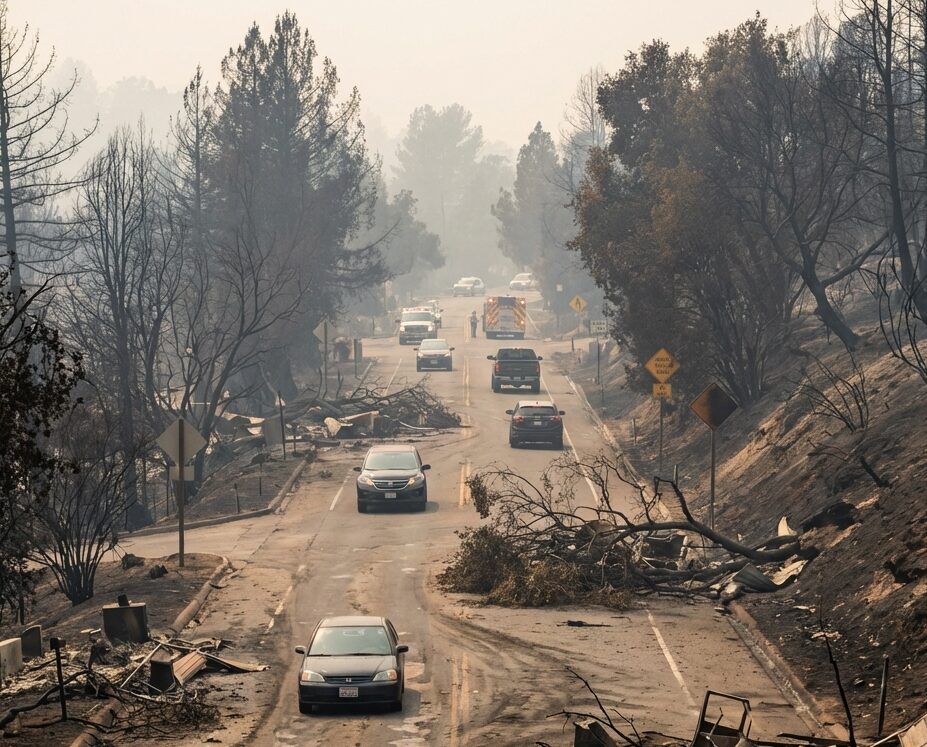
During wildfire seasons, ash, fallen branches, and damaged road surfaces often remain long after flames are contained. As a result, these conditions reduce visibility, increase debris-related impacts, and interfere with vehicle sensors and alignment, all of which contribute to weather related collision repair needs.
At the same time, broader extreme-weather research confirms that environmental events increasingly affect roadway safety and recovery timelines nationwide.
Heat, Pavement Wear, and Road Surface Failures
In addition, extended heat waves accelerate pavement deterioration and increase tire stress. Over time, drivers may encounter cracked asphalt, potholes, and uneven road surfaces, which often lead to suspension, wheel, and structural damage.
Consequently, severe weather events continue to disrupt transportation systems and roadway conditions across the country, increasing overall repair complexity.
Why Guests Choose a Certified Repair Facility
Guests often choose certified repair facilities because these shops follow manufacturer-approved repair procedures, maintain OEM certifications, and use OEM parts for certified repairs only. As a result, clear communication and consistent standards help ensure repairs meet factory requirements—especially when weather-related collision repair introduces added complexity.
At Premier Coach Auto Collision, this same approach guides every certified repair. Our team holds multiple OEM certifications for brands such as BMW, Tesla, Porsche, Mercedes-Benz, Audi, Land Rover, Lexus.and other leading manufacturers, and follows documented manufacturer repair procedures at every stage of the repair process. In addition, we communicate clearly so guests understand what their vehicle requires and why.
Even when severe weather events, transportation disruptions, or supply chain delays require patience, repair standards remain consistent and uncompromised.
Repair requirements and OEM certification standards vary by vehicle manufacturer, model, and repair type. OEM certification applies to qualifying repairs only.
Conclusion
Climate changes continue to influence driving conditions and collision repair needs in 2026. More severe storms, flooding, transportation disruptions, and regional weather hazards introduce new types of vehicle damage that demand careful inspection and proper repair methods.
By focusing on accurate damage assessment and OEM-certified repair standards where applicable, collision repair facilities can address these challenges safely and effectively—regardless of conditions on the road.
At Premier Coach Auto Collision, we proudly serve drivers throughout Ventura County and Santa Barbara County, including Thousand Oaks, Camarillo, and Westlake Village.
Guests trust our team for collision repair, auto body repair, and dent removal & scratch repair, all performed using manufacturer-approved procedures and consistent repair standards.